What Is the Best Hair Transplant Technique?
In today's world, where aesthetics play a pivotal role in self-esteem and confidence, the best hair transplant technique has garnered immense interest. Hair loss, whether due to genetics, lifestyle, or medical conditions, can impact an individual's overall demeanor. However, with various advancements in technology and medical practices, there is hope for those seeking a fuller head of hair. The journey toward choosing the right hair transplant method can be complex, but it is essential to understand the options available, their differences, and how they cater to individual needs. This guide aims to provide clarity on the different hair transplant techniques, helping individuals make informed decisions about restoring their hair.
1. Understanding Hair Loss and Its Impact
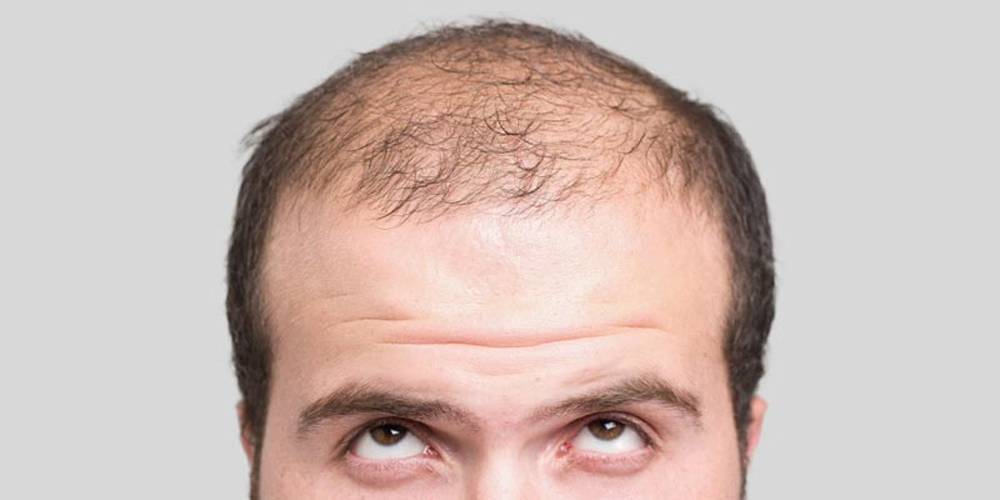
Hair loss can occur at any age and can be attributed to numerous factors, including genetics, hormonal changes, stress, dietary deficiencies, and certain health conditions. The psychological effects of hair loss can be profound, leading to decreased self-confidence and emotional distress.
1.1. The Emotional Toll of Hair Loss
Experiencing hair loss can lead to feelings of insecurity and inadequacy. People often associate their hair with youthfulness and vitality. As hair begins to thin or recede, many may find themselves grappling with anxiety or depression.
This emotional toll can affect social interactions, professional opportunities, and even relationships. A person may avoid social gatherings or feel reluctant to engage in activities that highlight their appearance. Hence, finding a solution like hair transplantation can significantly enhance overall well-being.
1.2. The Science Behind Hair Transplants
Understanding the basics of how hair transplants work is imperative. Essentially, hair transplants involve transferring healthy hair follicles from a donor site-usually the back or sides of the scalp-to areas experiencing thinning or baldness. This process leverages the unique properties of hair follicles in resistant areas, ensuring the transplanted hair continues to grow naturally.
The success of a hair transplant largely depends on the health of the donor area, the technique used, and the expertise of the surgeon performing the procedure. With various techniques available, it is crucial to explore each option thoroughly.
2. Popular Hair Transplant Techniques
As mentioned earlier, several hair transplant techniques exist, each with its pros and cons. Exploring these methods provides insight into what might work best for your particular case.
2.1. Follicular Unit Transplantation (FUT)
FUT, commonly referred to as the strip method, is one of the oldest and most traditional forms of hair transplantation.
The Process Explained
In FUT, a strip of skin containing hair follicles is surgically removed from the donor area. This strip is meticulously dissected under high magnification to separate the follicular units, which consist of 1-4 hairs each. These grafts are then implanted into the recipient area through small incisions made by the surgeon.
The appeal of this technique lies in the volume it can achieve. For extensive hair loss, FUT can yield a significant number of grafts in a single session, making it an efficient choice for those needing substantial coverage.
Advantages of FUT
One of the main advantages of FUT is the high graft yield. It allows for a robust restoration of hair density in a relatively short time frame. Furthermore, this technique is particularly effective for individuals who require a larger number of grafts, making it cost-effective compared to multiple sessions of other methods.
Disadvantages to Consider
However, this technique is not without its drawbacks. The linear scar left at the donor site can be noticeable, especially in individuals with short hairstyles. Additionally, patients may experience more discomfort during the recovery phase, requiring longer healing times before returning to daily activities.
2.2. Follicular Unit Extraction (FUE)
FUE emerged as a less invasive alternative to FUT and has gained popularity over the years.
How FUE Works: In FUE, individual follicular units are extracted directly from the donor area using a specialized punch tool. Unlike FUT, this method does not involve a surgical strip removal, hence minimizing scarring. Once harvested, the grafts are immediately implanted into the recipient area.
The Benefits of FUE: The primary advantage of FUE lies in its minimally invasive nature, leaving behind tiny, dot-like scars that are almost imperceptible. This is particularly appealing to individuals who prefer shorter hairstyles or who are concerned about visible scarring. Moreover, FUE tends to have a quicker recovery period, allowing patients to return to their routine more swiftly.
Limitations to Keep in Mind: Nevertheless, FUE might take longer than FUT when covering large areas due to the meticulous extraction process. While advancements are being made to increase graft yield, some patients may still find that FUT offers a higher quantity of transplants in one session.
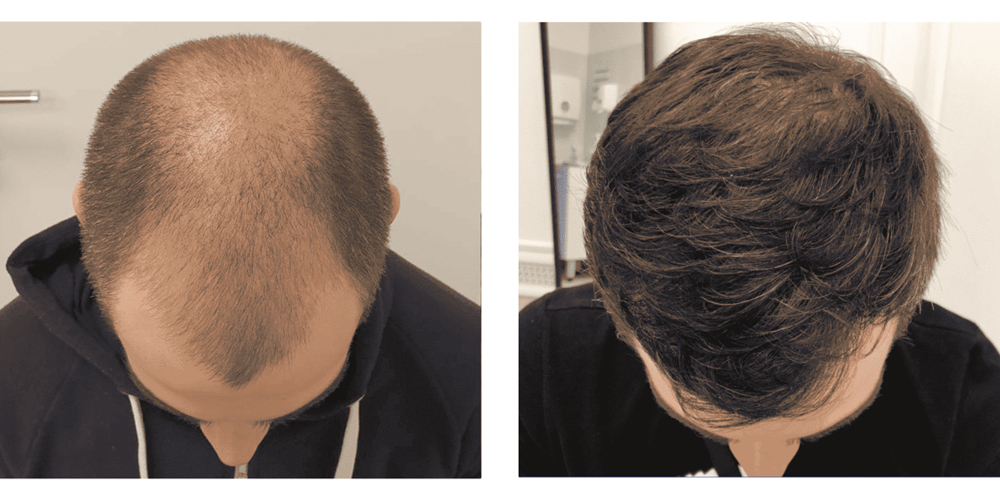
2.3. Robotic Hair Transplantation (ARTAS)
The ARTAS system represents a cutting-edge advancement in hair transplant technology, utilizing robotic precision.
The Robotic Approach: With ARTAS, a robotic arm equipped with advanced imaging technology identifies and extracts follicular units from the donor site. The system's improved accuracy minimizes damage to surrounding hair follicles, ensuring a more efficient extraction process.
Advantages of Robotic Technology: The primary benefit of ARTAS is precision. The robotic system's ability to analyze the best follicular units for extraction significantly lowers the risk of human error. This efficiency leads to improved outcomes and potentially higher graft survival rates. Moreover, it is designed to streamline the entire process, meaning patients can expect faster surgery times.
Challenges and Limitations: Although promising, ARTAS is still a new technology and is not widely available in all clinics. Additionally, the cost of robotic procedures is generally higher than traditional methods, which might deter some potential candidates.
2.3. Direct Hair Implantation (DHI)
DHI is another innovative method that merges extraction and implantation into one streamlined process.
The Unique DHI Method: Using a Choi Implanter pen, DHI allows for the extraction of hair follicles while simultaneously implanting them into the recipient area. This direct implantation technique eliminates the need for creating recipient site incisions beforehand.
Benefits Associated with DHI: One of the standout features of DHI is the preservation of graft integrity. Since the follicles are implanted immediately after extraction, there's less risk of damage, potentially leading to better survival rates. Furthermore, the method allows for greater control over the angle and direction of hair growth, resulting in a more natural appearance.
Drawbacks of DHI: However, DHI requires a heightened level of skill and training, making it essential to select a highly experienced surgeon. Additionally, for those with extensive hair loss, DHI might not be suitable due to the limitations on the number of grafts that can be implanted in a single session.
3. Factors to Consider When Choosing the Right Technique
While understanding the various hair transplant techniques is important, it's equally crucial to consider personal factors that will influence the final decision.
Extent of Hair Loss: The degree of hair loss plays a vital role in determining the appropriate technique. For individuals with minimal thinning, FUE or DHI could suffice. However, those with significant bald patches might find FUT a more fitting choice due to its capacity to deliver higher graft volumes.
Donor Hair Density: Another key consideration is the donor hair density, as thicker hair allows for greater flexibility in choosing a technique. Individuals with sparse donor hair may lean towards FUE or DHI to maximize the available resources effectively.
Scarring Concerns: For those with concerns about postoperative scarring, FUE stands out as a favorable option thanks to its minimal scar formation. Candidates should evaluate their hairstyle preferences as part of this assessment.
Personal Preferences and Budget: Cost considerations are inevitable when weighing hair transplant techniques. Patients should assess their budgets and discuss financial implications with their surgeon to establish realistic expectations regarding costs and financing options.
4. The Importance of Surgeon Expertise
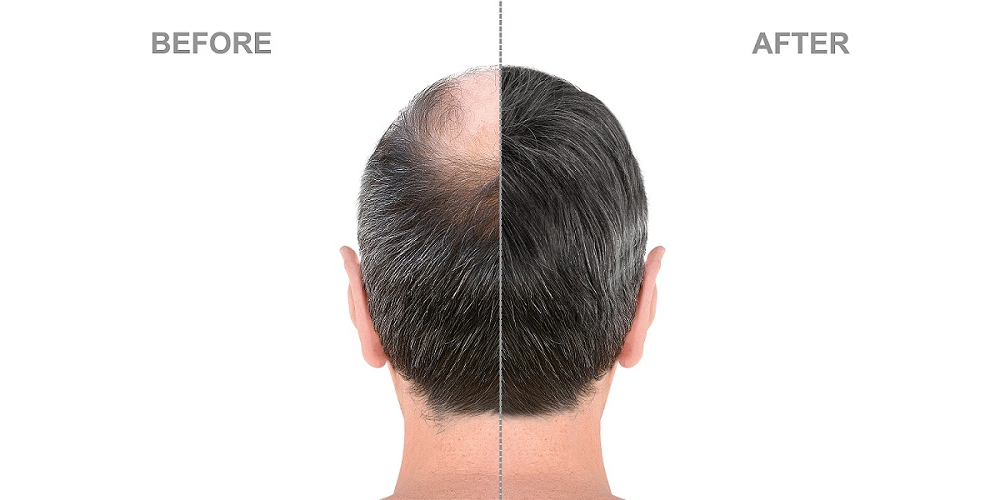
Ultimately, the physician performing the hair transplant procedure will significantly influence outcomes. An experienced surgeon brings valuable insight into the most suitable technique based on an individual's unique characteristics.
Pre-operative Assessment: A thorough pre-operative consultation is essential. During this evaluation, the surgeon examines the patient's scalp, discusses medical history, and assesses hair type and pattern. This information helps form a tailored approach to treatment that aligns with the patient's specific situation.
Post-operative Care: Post-surgery care is equally critical to achieving successful results. Detailed instructions provided by the surgeon should be followed meticulously to ensure optimal healing and graft survival. Engaging openly with the surgeon throughout the process helps clarify any doubts and ensures a smoother recovery.
5. Concerns About Hair Transplantation
Many potential candidates for hair transplantation harbor valid concerns about the process and its outcomes. Addressing these worries through clear communication with the surgeon is crucial for alleviating anxieties.
Pain Management: Modern anesthesia techniques have significantly improved patient comfort during hair transplant procedures. Surgeons typically employ local anesthetics to minimize pain, ensuring that patients experience little to no discomfort during the extraction and implantation phases.
Graft Survival Rates: Graft survival is a common concern for many patients. Proper handling and strategic placement of the hair follicles, along with adherence to post-operative care protocols, contribute to higher graft survival rates. Through education and transparency, a reputable surgeon can instill confidence in their patients.
Achieving Natural-Looking Results: Patients often worry about the natural appearance of their transplanted hair. To address this concern, surgeons develop individualized plans that account for existing hair characteristics, such as texture, color, and growth patterns, ensuring that the final outcome blends seamlessly with the patient's natural hair.
6. The Future of Hair Transplantation
As research continues to evolve in the field of hair restoration, future advancements promise exciting developments.
Enhanced Techniques and Strategies: Continual improvements in surgical techniques aim to optimize graft survival rates and reduce complications. Learning from past experiences and integrating new methodologies allow practitioners to refine their approaches for better outcomes.
Automation and Robotics: The trend towards automation in hair transplantation is likely to grow. With increased sophistication in robotic systems, patients can anticipate further enhancements in precision and efficiency, creating tailored solutions for future generations.
Personalized Hair Restoration Plans: As our understanding of genetic factors influencing hair loss expands, treatments will become more personalized. Customized solutions based on an individual's hair characteristics will offer more effective results, guiding advancements toward better patient satisfaction.
Conclusion
Choosing the best hair transplant technique is a deeply personal decision shaped by an individual's unique circumstances. Factors such as the extent of hair loss, donor hair density, scarring concerns, and personal preferences all come into play, culminating in a customized approach to hair restoration. With open communication and a thorough understanding of each technique, prospective patients can confidently navigate this journey to restore their hair. Ultimately, the goal remains consistent: achieving a natural-looking, fuller head of hair that enhances confidence and promotes overall well-being. By staying informed and working closely with qualified professionals, individuals can embark on this transformative path with clarity and assurance.
LATEST POSTS