Red Light Therapy for Hair Loss: An Effective Solution?
In recent years, red light therapy for hair loss has garnered significant attention from both researchers and individuals seeking solutions to combat hair thinning and loss. As we delve into this topic, we’ll explore the science behind red light therapy, its effectiveness, potential benefits, mechanisms of action, and alternative treatment options.
1. Understanding Red Light Therapy
Before we dive into its application for hair loss, it’s essential to grasp what red light therapy is and how it functions.
1.1. What is Red Light Therapy?
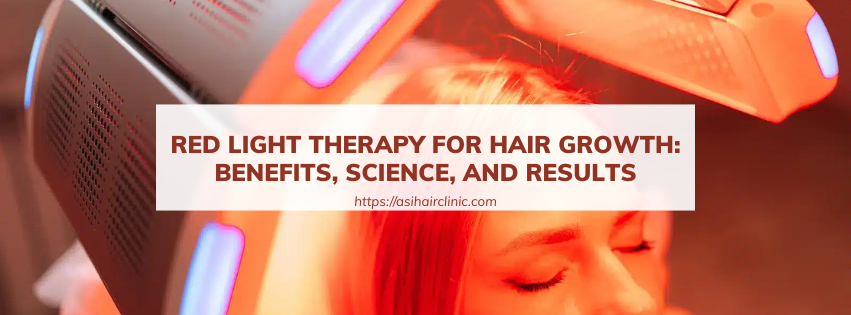
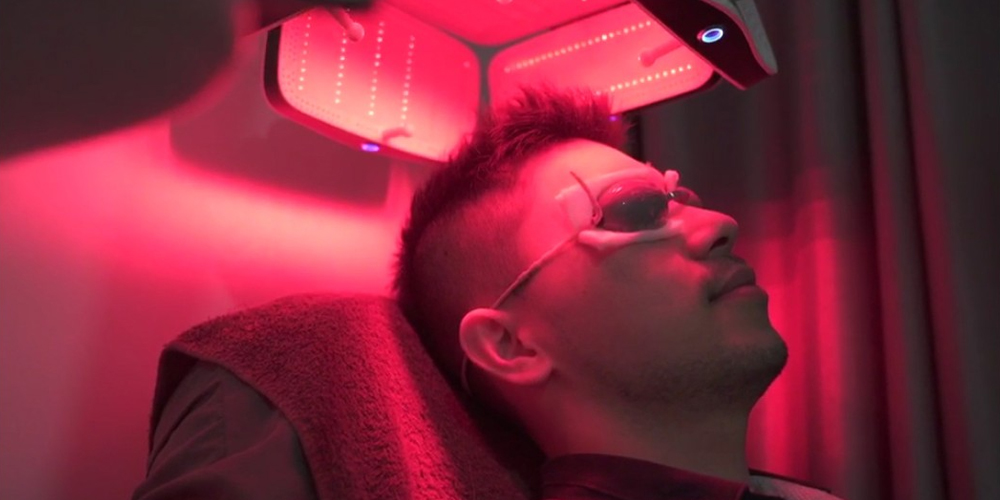
Red light therapy (RLT) involves exposing the body to low levels of red or near-infrared light. This non-invasive treatment is often employed in various medical and cosmetic applications, promoting healing, reducing inflammation, and rejuvenating skin cells.
The wavelengths typically used range from 600 to 850 nanometers. These wavelengths penetrate the skin, stimulating cellular processes and enhancing mitochondrial function. This boost leads to increased energy production within cells and can catalyze a host of beneficial biological activities.
1.2. Historical Context of Red Light Therapy
The use of light as a healing modality dates back centuries. Ancient civilizations recognized the soothing effects of sunlight and used various forms of light to treat ailments. However, the modern understanding of red light therapy began to emerge in the late 20th century.
Researchers began to explore the potential therapeutic effects of specific light wavelengths, leading to numerous studies focused on both skin and hair treatments. The discovery that certain light exposure could stimulate hair follicles opened new doors for individuals suffering from hair loss.
1.3. Mechanisms of Action
At the core of red light therapy's appeal in treating hair loss are its three primary mechanisms:
- Stimulation of Cell Metabolism: RLT increases adenosine triphosphate (ATP) production in cells, providing the necessary energy for hair follicles to thrive.
- Enhanced Blood Circulation: RLT improves blood flow to the scalp, ensuring that hair follicles receive adequate nutrients and oxygen.
- Reduction of Inflammation: The anti-inflammatory properties of RLT can alleviate conditions such as androgenetic alopecia, enabling healthier hair growth.
These mechanisms contribute significantly to the efficacy of red light therapy in addressing hair loss issues.
2. Effectiveness of Red Light Therapy for Hair Loss
As with any treatment, the effectiveness of red light therapy for hair loss warrants thorough examination. Various studies and anecdotal evidence provide insight into how well red light therapy works in promoting hair regrowth.
2.1. Clinical Research and Findings
Numerous clinical trials have been conducted to assess the impact of red light therapy on hair loss. Research indicates that this treatment can be effective for both men and women dealing with different forms of hair loss, including androgenetic alopecia and telogen effluvium.
In one notable study, participants who underwent red light therapy experienced a substantial increase in hair density compared to control groups. The results highlighted not only the potential for new hair growth but also an improvement in overall scalp health.
Moreover, RLT has shown promise as a complementary treatment to traditional hair loss therapies-such as minoxidil and finasteride-enabling enhanced effectiveness when combined.
2.2. User Experience and Testimonials
While clinical evidence is vital, personal experiences often provide compelling narratives regarding treatment efficacy. Many users of red light therapy devices report noticeable improvements in hair thickness, texture, and overall health. These testimonials highlight the psychological impact of hair restoration, offering renewed confidence and self-esteem.
Individuals appreciate that red light therapy is a non-invasive option, requiring minimal commitment compared to surgical interventions like hair transplants. Consistent user feedback suggests that RLT is easy to incorporate into daily routines, whether through home devices or professional treatments.
2.3. Limitations and Considerations
Though promising, it's essential to acknowledge that red light therapy may not be a universal solution for everyone. Factors influencing its effectiveness include:
- Type and cause of hair loss: Certain genetic factors may inhibit responsiveness to RLT.
- Consistency of treatment: Regular sessions are crucial for maintaining results.
- Device quality: The effectiveness can vary based on the wavelength and intensity of the device used.
Understanding these limitations allows individuals to make informed decisions and set realistic expectations.
3. Benefits Beyond Hair Growth
While red light therapy's primary focus is on hair loss, it offers several additional benefits that enhance its appeal as a holistic treatment option.
3.1. Improved Scalp Health
One of the lesser-discussed advantages of red light therapy is its positive impact on overall scalp health. By stimulating blood circulation, RLT can help reduce common scalp issues such as dryness, flakiness, and irritation.
A healthy scalp is crucial for optimal hair growth, as it creates a conducive environment for hair follicles to flourish. With a nourished and well-cared-for scalp, the chances of successful hair regrowth increase significantly.
3.2. Pain Relief and Reduced Inflammation
Red light therapy is celebrated for its ability to alleviate pain and reduce inflammation, which can be particularly beneficial for individuals experiencing scalp discomfort. Conditions like psoriasis or seborrheic dermatitis can hinder hair growth, making RLT an attractive option for managing these symptoms while simultaneously addressing hair loss.
By incorporating red light therapy into their routine, individuals may find relief from discomfort, contributing to a more enjoyable experience during their hair restoration journey.
3.3. Psychological Impact
The psychological aspects of hair loss cannot be understated. Many individuals experience low self-esteem and emotional distress due to thinning hair. By fostering hair regrowth, red light therapy can positively influence mental health and self-image.
Users often describe feeling empowered and more confident after seeing visible improvements. This emotional uplift can motivate individuals to continue their journey, inspiring commitment to a comprehensive hair care routine that includes RLT.
4. Alternative Treatments for Hair Loss
Red light therapy is not the only approach available for combating hair loss. Exploring alternative treatments can empower individuals to select the best course of action.
4.1. Topical Medications
Medications like minoxidil and finasteride have been commonly prescribed to address hair loss. Minoxidil is an over-the-counter topical solution applied directly to the scalp, while finasteride is a prescription pill targeting hormonal factors associated with hair loss.
While effective for many, there are important considerations. Both medications can come with side effects, ranging from scalp irritation to sexual dysfunction in some cases. Thus, individual preferences and health considerations play a role in determining suitable options.
4.2. Hair Transplant Surgery
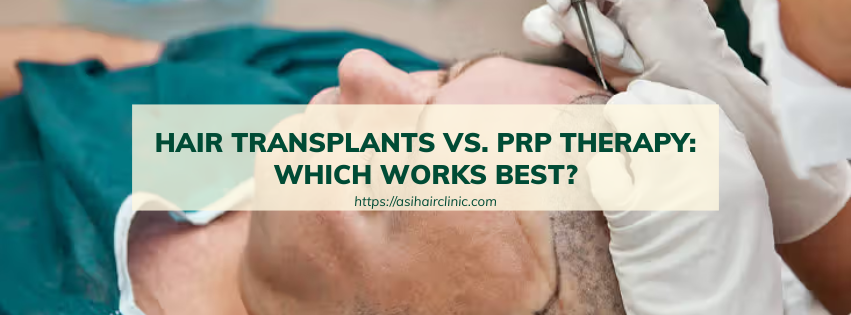
For those seeking a more permanent solution, hair transplant surgery presents an option. This surgical procedure entails extracting hair follicles from areas of the scalp with dense hair and implanting them in balding regions.
While effective, hair transplant surgery requires a considerable financial investment and a lengthy recovery period. Additionally, eligibility for the procedure depends on factors like donor site availability and overall hair loss progression.
4.3. Natural Remedies and Lifestyle Changes
Exploring natural remedies and lifestyle changes is another avenue worth considering. Nutritional adjustments-such as incorporating biotin, iron, and zinc into one's diet-can promote stronger hair growth.
Additionally, practicing stress management techniques, such as mindfulness and regular exercise, can support overall well-being and potentially mitigate hair loss triggers related to stress.
Finding the right balance between conventional and alternative treatments allows individuals to tailor their approach to hair restoration according to personal needs and preferences.
Conclusion
In conclusion, red light therapy for hair loss presents a compelling and innovative option for those seeking to restore their hair. Supported by scientific research and user testimonials, red light therapy demonstrates noteworthy potential in promoting hair regrowth, improving scalp health, and enhancing overall well-being.
However, it is essential to recognize that RLT may not work for every individual and should ideally be part of a broader strategy for addressing hair loss. By understanding its mechanisms, exploring alternative treatments, and maintaining realistic expectations, individuals can embark on a successful journey toward hair restoration.
Ultimately, anyone grappling with hair loss should consider consulting with a healthcare professional to create a personalized plan that fits their unique circumstances and addresses their specific needs. Armed with knowledge, empathy, and determination, individuals can take meaningful steps toward reclaiming their hair and, ultimately, their confidence.
LATEST POSTS