Ozempic Hair Loss: Is It Permanent?
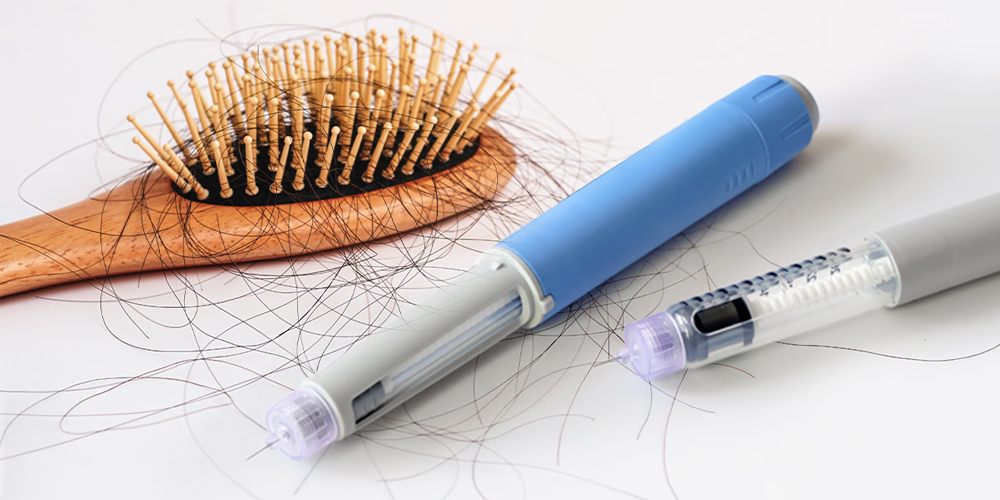
Ozempic Hair Loss has become a focal point of discussion among individuals taking this medication for diabetes management. While Ozempic, known generically as semaglutide, is celebrated for its efficacy in controlling blood sugar levels and aiding weight loss, patients have reported experiencing hair thinning and hair loss. This phenomenon has sparked numerous inquiries about the potential permanence of such effects and what can be done to mitigate them.
As more individuals turn to medications like Ozempic to manage type 2 diabetes, understanding the side effects, including Ozempic Hair Loss, becomes crucial. This article will delve into the reasons behind hair loss associated with Ozempic, explore whether it is a temporary condition or a lasting issue, and examine the various factors that can influence hair health while on this medication.
1. Understanding Ozempic and Its Mechanism
Ozempic is a GLP-1 receptor agonist prescribed primarily for adults with type 2 diabetes. Its primary function is to enhance insulin secretion when blood sugar levels are elevated, decrease glucagon release, and slow gastric emptying. However, alongside its benefits, it carries the risk of certain side effects, one of which includes hair loss.
1.1. The Pharmacological Impact on Hair Follicles
The connection between medications like Ozempic and hair loss may not be immediately apparent. Hair follicles undergo a complex cycle of growth, rest, and shedding. Disruptions to this cycle can lead to excessive shedding, commonly known as telogen effluvium.
When starting Ozempic, the body goes through various metabolic changes. The drug aids in rapid weight loss, which can place stress on the body, causing dormant hair follicles to trigger the shedding phase prematurely. Stressors, whether they are physical, emotional, or chemical, can significantly impact this delicate balance.
Moreover, the hormonal shifts that accompany weight loss and blood sugar stabilization could also play a role. A decrease in certain hormones might affect the hair growth cycle, leading to noticeable thinning or loss.
1.2. Nutritional Deficiencies and Their Role
While on Ozempic, dietary habits often change drastically, especially during weight loss journeys. Nutritional deficiencies can arise from reduced caloric intake or inadequate nutrient diversity. Essential vitamins and minerals, particularly those involved in hair growth—like biotin, zinc, iron, and proteins—are critical for maintaining hair health.
If the dietary composition lacks these vital nutrients, individuals may notice an increase in hair loss. Ensuring a well-rounded diet that supports overall health is paramount during this transition, as neglecting nutritional needs can exacerbate Ozempic Hair Loss.
1.3. Emotional and Psychological Factors
Managing chronic health conditions often leads to emotional challenges, which can impact hair health. Stress and anxiety related to diabetes management, weight loss, and overall health can contribute to or worsen hair loss patterns.
Mental well-being is intricately linked to physical health, and the psychological burden of transitioning to a new medication could initiate a cycle leading to hair loss. It's essential for individuals experiencing these challenges to engage in practices that promote mental wellness, such as mindfulness, therapy, or support groups.
2. Investigating the Type of Hair Loss Associated with Ozempic
If you're experiencing hair loss while on Ozempic, it's important to understand the types of hair loss that may occur, their underlying causes, and how they can manifest in different individuals.
2.1. Telogen Effluvium: A Temporary Phase
Telogen effluvium is one of the most common forms of hair loss associated with medication use. Characterized by increased shedding, this condition typically arises when the body experiences significant stress.
Those who are newly prescribed Ozempic may find themselves in this category due to the various physiological changes occurring as they adjust to the medication. The good news is that telogen effluvium is often temporary; once the stressor is removed, hair growth typically resumes within six to twelve months.
However, this period can feel excruciatingly long for those facing aesthetic changes due to visible hair thinning. Patience and care are essential during this time, as many individuals do regain their hair.
2.2. Androgenetic Alopecia: A Genetic Component
For some, the hair loss experienced may not solely be linked to Ozempic but could also be influenced by genetic predisposition. Androgenetic alopecia, commonly referred to as male or female pattern baldness, is hereditary and may coincide with other triggers.
In individuals genetically predisposed to hair loss, the introduction of Ozempic might accelerate this process rather than be the sole cause. Recognizing family history can help set realistic expectations regarding hair health and potential loss.
2.3. Hormonal Changes and Their Consequences
In addition to genetic factors, hormonal fluctuations caused by rapid weight loss or changes in metabolism can drive hair loss. As the body adjusts to Ozempic, levels of certain hormones might fluctuate, directly impacting hair growth.
Hormones like estrogen, testosterone, and dihydrotestosterone (DHT) play pivotal roles in hair follicle cycling. Any change in their levels can lead to increased shedding or thinning. Monitoring hormonal health alongside diabetes management could provide insights into one's hair health journey.
3. Mitigating Ozempic Hair Loss: Strategies for Preservation
If you are experiencing Ozempic Hair Loss, don't despair-there are strategies and practices that can help mitigate further loss and promote healthier hair growth.
3.1. Nutritional Support for Healthy Hair
The importance of nutrition cannot be overstated when combating hair loss. Ensuring your diet is rich in vitamins, minerals, and protein sources is fundamental. Foods that are beneficial include:
- Leafy greens rich in iron-spinach, kale, and collard greens.
- Protein-rich foods-lean meats, poultry, fish, eggs, beans, and legumes.
- Omega-3 fatty acids, found in fatty fish and certain nuts and seeds, promote scalp health.
Consider consulting with a nutritionist to develop a personalized meal plan that caters to your specific needs while ensuring you receive adequate nutritional support for hair health.

3.2. Stress Management Techniques
Since stress can significantly contribute to hair loss, it's essential to adopt practices that reduce anxiety and promote relaxation. Some effective techniques include:
- Mindfulness meditation: Focusing on your breath can help ground you amid overwhelming emotions.
- Physical activity: Engaging in regular exercise helps release endorphins, improving mood and reducing stress.
- Social connections: Building strong relationships and talking openly about feelings can alleviate burdens.
Seeking professional mental health support or joining a community support group can also be incredibly beneficial for managing stress during a challenging health journey.
3.3. Hair Care Practices to Minimize Damage
Your hair care routine may require adjustments to minimize damage and encourage regrowth. Simple changes can make a significant difference:
- Use gentle, sulfate-free shampoos and conditioners designed to strengthen hair.
- Avoid heat styling tools when possible, as high temperatures can weaken strands.
- Consider scalp massages to stimulate blood flow and promote hair growth.
Additionally, consult with a dermatologist or hairstylist specializing in thinning hair for tailored advice and treatment options.
4. When to Seek Professional Guidance
Navigating hair loss while on Ozempic can be an emotionally taxing experience, but knowing when to seek professional help is paramount.
4.1. Consulting Healthcare Providers
If hair loss becomes significant or concerns arise about the medication's effects, consulting with healthcare providers is a crucial step. They can help assess individual situations, provide insights into the relationship between Ozempic and hair loss, and suggest alternative treatments if necessary.
Healthcare professionals can conduct tests to check for nutritional deficiencies, hormonal imbalances, or other underlying causes that may exacerbate hair loss.
4.2. Dermatology Specialties
Involvement with a dermatologist can provide additional avenues to explore regarding hair health. Dermatologists specialize in skin, hair, and nail disorders; they can offer targeted treatments that may assist in encouraging hair regrowth.
Options may include topical treatments, prescription medications, or procedures like platelet-rich plasma (PRP) therapy, which has shown promise in promoting hair growth in certain individuals.
4.3. Support Groups and Community Resources
Connecting with others experiencing similar challenges can be exceedingly beneficial. Support groups, either online or in-person, allow individuals to share experiences, coping strategies, and resources. Hearing about others' journeys and solutions can provide hope and foster resilience during difficult times.
Conclusion
The relationship between Ozempic Hair Loss and the medication itself requires careful consideration. While there may be an association between Ozempic use and hair loss, the extent and permanence of this condition can vary widely among individuals.
Factors such as stress, nutrition, genetics, and hormonal changes all play a part in the hair health equation. By employing proactive measures, seeking professional guidance, and nurturing mental and physical well-being, individuals can address hair loss challenges effectively.
Ultimately, being informed and proactive will empower those experiencing Ozempic Hair Loss to navigate their health journey with confidence, focusing on what they can control and embrace the support around them.
LATEST POSTS