Is Castor Oil Good For Your Hair?
Is castor oil good for your hair? This question has sparked discussions among beauty enthusiasts and hair care professionals alike. With its rich history in traditional medicine and a growing popularity in the world of natural remedies, castor oil is often touted as a miracle treatment for various hair woes. In this article, we will delve deeply into the origins, benefits, applications, and potential side effects of castor oil, particularly focusing on how it can contribute to healthier, more beautiful hair.
1. What Is Castor Oil?
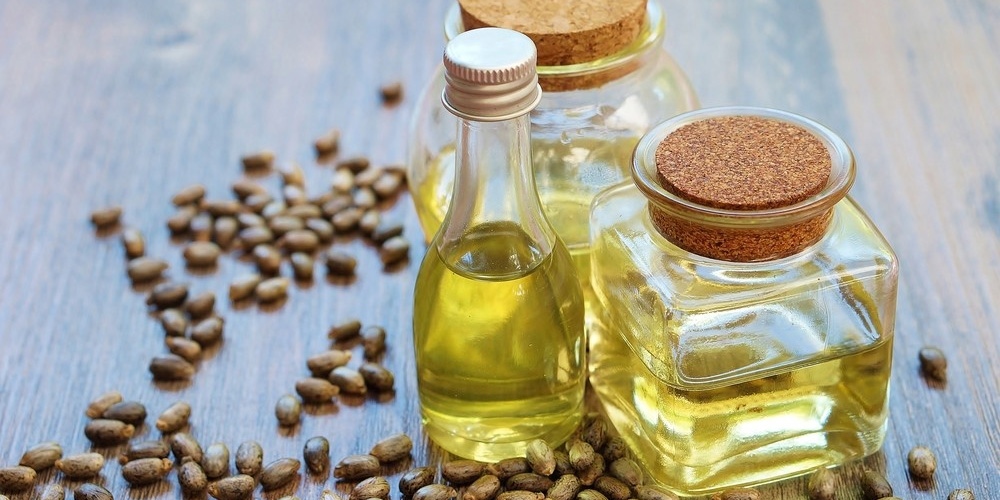
To understand the impact of castor oil on hair, it’s essential first to get acquainted with what it is. Castor oil is derived from the seeds of the Ricinus communis plant. This colorless or pale yellow oil is known for its thick consistency and unique properties that make it a versatile ingredient not only for hair but also for skin and health applications.
1.1. Origin and Extraction Process
Castor oil has been used for centuries, dating back to ancient Egypt where it was valued for its therapeutic properties. The process of extracting castor oil begins with harvesting the seeds of the castor bean plant. These seeds are then cold-pressed to obtain the oil, a method that preserves its beneficial compounds.
This extraction process is crucial because it ensures that the oil retains its natural properties, including ricinoleic acid, which is known for its anti-inflammatory and antimicrobial effects. The quality of the oil can vary significantly based on the extraction method, making it vital to choose pure, cold-pressed castor oil for the best results.
1.2. Types of Castor Oil
There are several types of castor oil available on the market today, each with its unique properties and uses.
The most common forms include:
- Cold-Pressed Castor Oil: This is the highest quality type, extracted without heat, preserving the nutrients.
- Refined Castor Oil: While this version has a milder aroma and is lighter in texture, it may lose some beneficial properties during processing.
- Black Castor Oil: A popular variant, especially in African cultures, made by roasting the seeds before pressing, resulting in a deeper color and possibly enhanced benefits.
Understanding these different types can help individuals select the right product according to their specific hair needs.
2. Benefits of Castor Oil for Hair
The benefits of castor oil for hair are numerous, making it a staple in many hair care routines. From promoting growth to moisturizing the scalp, this oil offers a wealth of advantages that can transform your hair health.
2.1. Promotes Hair Growth
One of the most notable claims about castor oil is its ability to promote hair growth. This effect can be attributed to ricinoleic acid, which improves blood circulation to the scalp. Improved circulation means that hair follicles receive more nutrients and oxygen, fostering an environment conducive to hair growth.
Moreover, castor oil is rich in omega-6 fatty acids and vitamin E, both crucial for healthy hair growth. They nourish the hair follicles and strengthen the roots, potentially leading to thicker and fuller hair. Users have reported significant improvements in hair density and length after consistent application over time.
2.2. Moisturizes and Hydrates Scalp
In addition to promoting growth, castor oil plays a key role in moisturizing and hydrating the scalp. Its thick consistency allows for deep penetration into the scalp, providing much-needed moisture and preventing dryness. A well-hydrated scalp can prevent conditions like dandruff and flakiness, which can inhibit hair growth and lead to breakage.
By locking in moisture, castor oil also helps improve the overall health of the hair shaft. It provides a protective barrier against environmental damage and reduces frizz, making hair more manageable. Regular use of castor oil can lead to softer, shinier hair.
2.3. Strengthens Hair and Reduces Breakage
Another significant benefit of castor oil is its capacity to strengthen hair and reduce breakage. The essential nutrients within the oil work to fortify hair strands, preventing them from becoming brittle or weak.
When hair is strong, it can withstand the rigors of styling and environmental stressors, reducing the likelihood of split ends and breakage. Users have noticed that their hair appears healthier, with less visible damage after incorporating castor oil into their routine.
2.4. Antimicrobial Properties
The antimicrobial properties of castor oil further enhance its appeal for hair care. The oil can help combat fungal infections and bacteria that affect the scalp, promoting a healthier environment for hair growth.
Conditions like scalp psoriasis and dandruff can hinder hair health; thus, using an oil with natural antimicrobial benefits can be particularly advantageous. By creating a clean and balanced scalp, castor oil supports optimal hair health and growth.
3. How to Use Castor Oil for Hair Care
Knowing that castor oil can provide a multitude of benefits is just the beginning. Understanding how to effectively integrate it into your hair care routine is equally important. There are several ways to utilize castor oil, including pre-conditioning treatments, hair masks, and DIY recipes.
3.1. Pre-Conditioning Treatment
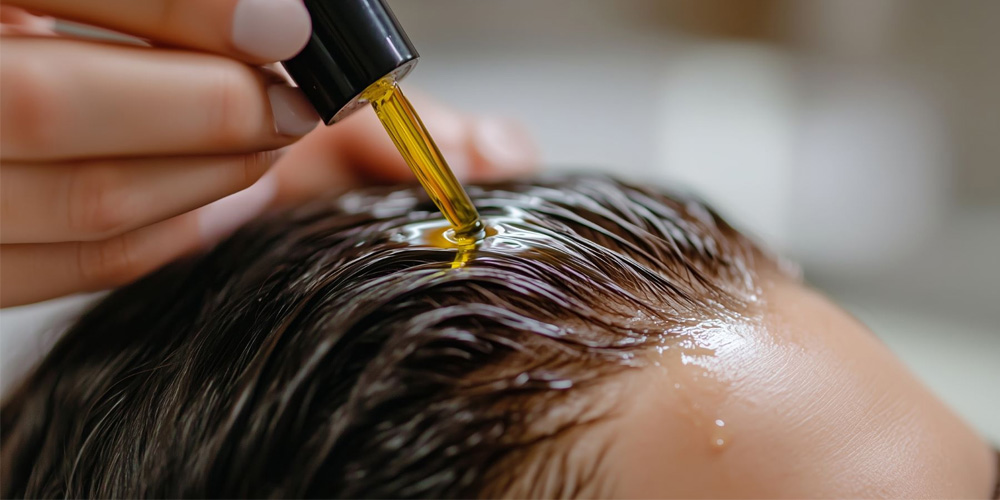
Using castor oil as a pre-conditioning treatment can significantly improve the condition of your hair. To do this, take a small amount of castor oil and warm it slightly. Warm oil penetrates the hair shaft more effectively, allowing for deeper moisturization. Apply it generously to your scalp and hair, ensuring even coverage.
Leave the oil on for at least 30 minutes; for added effectiveness, consider wrapping your hair in a warm towel or using a shower cap to create a gentle heat. Afterward, wash it out with a mild shampoo. This treatment can be done once a week for optimal results.
3.2. Hair Masks and DIY Recipes
Integrating castor oil into hair masks can amplify its benefits. For instance, mixing castor oil with coconut oil or olive oil creates a powerful moisturizing mask. You can also add essential oils such as peppermint or rosemary, which are known for their stimulating properties.
Simply mix equal parts of your chosen oils and apply the mixture to your hair and scalp. Allow it to sit for at least 45 minutes before rinsing. This DIY recipe not only nourishes the hair but also adds shine and softness.
3.3. Tips for Application
To maximize the benefits of castor oil, consider the following tips for application:
- Patch Test: Always perform a patch test before applying new products to ensure you don’t have an allergic reaction.
- Use Sparingly: Due to its thick nature, a little goes a long way. Start with a small amount and increase as needed.
- Combine with Other Oils: Mixing castor oil with other carrier oils can enhance its effectiveness while making it easier to apply.
- Consistency Is Key: Regular use is essential for seeing results. Incorporate castor oil into your routine consistently for the best outcomes.
4. Potential Side Effects and Precautions
While castor oil boasts numerous benefits, it's important to be aware of potential side effects and precautions. Being informed enables users to enjoy the advantages of castor oil safely and effectively.
4.1. Allergic Reactions
Though rare, some individuals may experience allergic reactions to castor oil. Symptoms can include redness, itching, or swelling at the site of application. If you notice any adverse reactions, immediately discontinue use and consult a medical professional if necessary.
To minimize the risk, perform a patch test on a small area of skin before full application. This precaution is especially important for those with sensitive skin or existing allergies.
4.2. Overuse Risks
While castor oil is beneficial for hair, overusing it can lead to adverse effects. Given its thick nature, excessive application may result in buildup on the scalp, weighing hair down and making it appear greasy.
To avoid overuse, stick to recommended amounts and frequency. Regularly cleanse your hair to remove any buildup that may occur due to frequent application.
5. FAQs About Castor Oil for Hair
As interest in natural hair care grows, questions about castor oil continue to arise. Here are some frequently asked questions to clarify common concerns.
Can castor oil help with hair loss?
Yes, castor oil can aid in combating hair loss due to its nourishing properties and ability to improve blood circulation in the scalp. Regular application may help revitalize hair follicles, contributing to healthier hair growth.
How often should I use castor oil?
For most people, using castor oil once a week as a treatment or pre-conditioner is sufficient. However, individual needs may vary, so listen to your hair and adjust frequency as necessary.
Is castor oil safe for all hair types?
Castor oil is generally safe for all hair types, although those with very fine or oily hair may want to use it sparingly. Combining it with lighter oils can help balance its thickness.
Conclusion
So, is castor oil good for your hair? The evidence suggests that it absolutely can be! With its wide array of benefits, including promoting hair growth, moisturizing the scalp, strengthening hair, and possessing antimicrobial properties, castor oil stands out as a powerful natural remedy for hair care.
Incorporating castor oil into your hair care routine can offer transformative results, leading to healthier, shinier, and more resilient hair. As with any product, it’s essential to approach its use mindfully, considering personal sensitivities and preferences.
Ultimately, exploring the wonders of castor oil might just unlock the secret to achieving the luscious locks you’ve always dreamed of. Whether used alone or combined with other nourishing ingredients, castor oil holds the promise of revitalizing your hair health from root to tip.
LATEST POSTS