How to Stop Hair Loss: Tips for Stronger, Healthier Hair
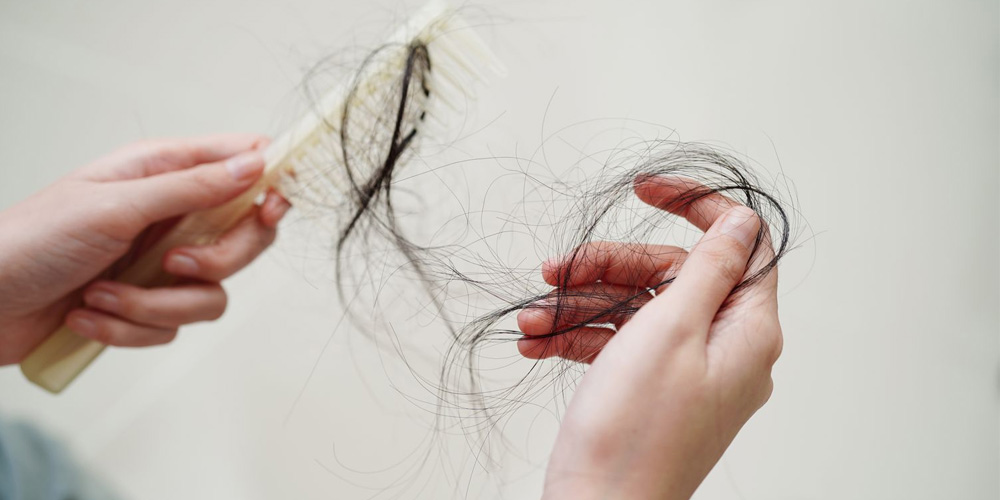
Hair loss is a common concern that affects millions of people worldwide. It can be a distressing experience, impacting self-esteem and confidence. Understanding the causes of hair loss and exploring effective strategies to combat it is essential for anyone looking to maintain a full head of hair. In this article, we will delve into various aspects of hair loss, offering practical tips and insights to help you achieve stronger, healthier hair.
1. Understanding Hair Loss
Hair loss can occur for a variety of reasons, ranging from genetic factors to environmental influences. It is crucial to understand the underlying causes to address the issue effectively.
1.1. The Science Behind Hair Growth
Hair growth is a complex biological process that involves the hair follicle, the skin, and various hormones. Each hair follicle goes through a growth cycle that includes phases of growth, rest, and shedding.
The growth phase, known as anagen, can last for several years, while the resting phase, called telogen, typically lasts a few months. Understanding this cycle is vital in recognizing that some hair loss is a natural part of life. However, excessive shedding or thinning can indicate a problem that needs attention.
1.2. Common Causes of Hair Loss
Several factors can contribute to hair loss, including:
- Genetics: Hereditary hair loss, or androgenetic alopecia, is the most common cause of hair loss in both men and women. It is characterized by a gradual thinning of hair and can begin as early as the teenage years.
- Hormonal Changes: Hormonal fluctuations due to pregnancy, menopause, or thyroid issues can lead to temporary or permanent hair loss.
- Nutritional Deficiencies: A lack of essential nutrients, such as iron, zinc, and vitamins, can weaken hair and lead to increased shedding.
- Stress: Physical or emotional stress can trigger a type of hair loss known as telogen effluvium, where hair follicles enter the resting phase prematurely.
- Medical Conditions: Certain medical conditions, such as alopecia areata, scalp infections, and autoimmune diseases, can also result in hair loss.
1.3. The Psychological Impact of Hair Loss
The effects of hair loss extend beyond the physical realm. Many individuals experience anxiety, depression, and a decrease in self-esteem due to their changing appearance. It is essential to address these emotional aspects alongside the physical symptoms of hair loss.
2. Nutrition for Healthy Hair
A well-balanced diet plays a crucial role in maintaining healthy hair. The nutrients you consume can significantly impact the strength and growth of your hair.
2.1. Essential Nutrients for Hair Growth
To promote hair health, focus on incorporating the following nutrients into your diet:
- Proteins: Hair is primarily made of a protein called keratin. Consuming adequate protein from sources like lean meats, fish, eggs, and legumes can support hair structure and growth.
- Vitamins: Vitamins A, C, D, and E are essential for hair health. They help in the production of sebum, improve blood circulation to the scalp, and protect hair follicles from damage.
- Minerals: Iron and zinc are vital for hair growth. Iron helps carry oxygen to hair follicles, while zinc plays a role in tissue growth and repair.
2.2. Foods to Include in Your Diet
Incorporating a variety of nutrient-rich foods can help combat hair loss. Consider adding the following to your meals:
- Leafy Greens: Spinach and kale are rich in iron and vitamins that promote hair health.
- Nuts and Seeds: Almonds, walnuts, and flaxseeds provide essential fatty acids and vitamins that nourish hair.
- Fish: Fatty fish like salmon and mackerel are excellent sources of omega-3 fatty acids, which can help reduce inflammation and promote hair growth.
- Fruits: Berries, oranges, and avocados are packed with antioxidants and vitamins that support overall health, including hair health.
2.3. The Role of Hydration
Staying hydrated is often overlooked but is crucial for maintaining healthy hair. Water helps transport nutrients to hair follicles and keeps the scalp hydrated. Aim to drink plenty of water throughout the day to support your hair health.
3. Hair Care Practices
Proper hair care practices can significantly impact the health and appearance of your hair.
3.1. Choosing the Right Products
Selecting the right hair care products is essential for maintaining healthy hair. Look for shampoos and conditioners that are free from harsh chemicals, sulfates, and parabens.
- Natural Ingredients: Opt for products that contain natural ingredients like aloe vera, coconut oil, and essential oils. These can nourish the hair and scalp without causing damage.
- Avoiding Heat Damage: Excessive heat from styling tools can weaken hair and lead to breakage. Limit the use of blow dryers, straighteners, and curling irons, and always use a heat protectant when styling.
3.2. Regular Scalp Care
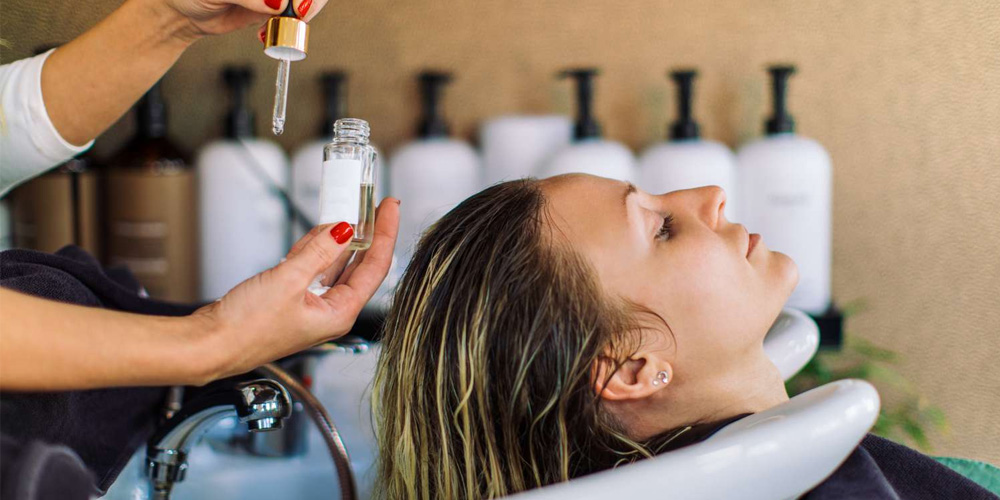
A healthy scalp is the foundation for healthy hair. Regularly exfoliating the scalp can help remove dead skin cells and promote blood circulation.
- Scalp Massages: Incorporating scalp massages into your routine can stimulate hair follicles and improve blood flow. Use your fingertips to gently massage the scalp in circular motions for a few minutes daily.
- Essential Oils: Certain essential oils, such as rosemary and peppermint, have been shown to promote hair growth. Dilute them with a carrier oil and massage into the scalp for added benefits.
3.3. Avoiding Tight Hairstyles
Tight hairstyles, such as ponytails and braids, can cause traction alopecia, a type of hair loss caused by pulling on the hair. Opt for looser styles and avoid wearing the same hairstyle every day to reduce stress on the hair.
4. Lifestyle Changes for Healthier Hair
Making certain lifestyle changes can have a positive impact on your hair health.
4.1. Managing Stress
Stress management is crucial for overall health, including hair health. High-stress levels can lead to hair loss, so finding effective ways to manage stress is essential.
- Mindfulness and Meditation: Practicing mindfulness and meditation can help reduce stress levels. Consider incorporating deep breathing exercises or yoga into your daily routine.
- Physical Activity: Regular exercise not only improves physical health but also helps reduce stress. Aim for at least 30 minutes of moderate exercise most days of the week.
4.2. Getting Enough Sleep
Quality sleep is vital for overall health, including hair health. During sleep, the body repairs and regenerates cells, including those in the hair follicles.
- Establishing a Sleep Routine: Aim for 7-9 hours of quality sleep each night. Establish a calming bedtime routine to help signal to your body that it’s time to wind down.
- Creating a Sleep-Friendly Environment: Ensure your sleep environment is conducive to rest. Keep the room dark, quiet, and at a comfortable temperature.
4.3. Avoiding Smoking and Excessive Alcohol
Both smoking and excessive alcohol consumption can negatively impact hair health. Smoking restricts blood flow to the hair follicles, while alcohol can lead to dehydration and nutrient deficiencies.
- Quitting Smoking: If you smoke, consider seeking support to quit. Your hair and overall health will benefit from this positive change.
- Moderating Alcohol Intake: Limit alcohol consumption to promote better hydration and nutrient absorption.
Conclusion
In conclusion, addressing hair loss requires a multifaceted approach that includes understanding the underlying causes, adopting a nutrient-rich diet, practicing proper hair care, and making positive lifestyle changes. By focusing on these areas, you can promote stronger, healthier hair and regain your confidence. Remember, consistency is key, and it may take time to see results. Embrace the journey towards healthier hair, and don’t hesitate to seek professional advice if needed.
LATEST POSTS