How Long Does a Hair Transplant Last?
Hair loss is a common concern affecting millions of people worldwide. For many, this reality can lead to feelings of inadequacy, diminished self-esteem, and anxiety about their appearance. As a result, the question often arises: How long does a hair transplant last? Understanding this aspect is crucial for those considering the journey towards regaining their lost confidence through hair restoration.
In this comprehensive guide, we will explore various facets surrounding the longevity of hair transplant results, shedding light on the expected lifespan of transplanted hair, and providing insight into what individuals can realistically expect in the long term.
1. Understanding the Hair Transplant Process
Before diving into the specific factors impacting how long a hair transplant lasts, it is vital to comprehend the fundamental process involved in hair transplantation. This understanding will provide a clearer context when evaluating the intricacies affecting the endurance of transplanted hair.
1.1. The Techniques Involved in Hair Transplantation
Hair transplantation primarily involves two prominent techniques: Follicular Unit Transplantation (FUT) and Follicular Unit Extraction (FUE). Each technique has its unique steps and considerations, but both aim to achieve the same goal-restoring hair to areas depleted of follicles.
In FUT, a strip of skin containing healthy hair follicles is surgically removed from the donor area, usually located at the back or sides of the head. This strip is then divided into individual follicular units and implanted into the recipient site, giving rise to new growth.
Conversely, FUE bypasses this step by individually extracting hair follicles directly from the scalp using specialized instruments. These follicles are then carefully implanted into the designated areas. FUE is often favored for its minimally invasive nature, resulting in less scarring and quicker recovery times.
1.2. The Role of Donor Areas
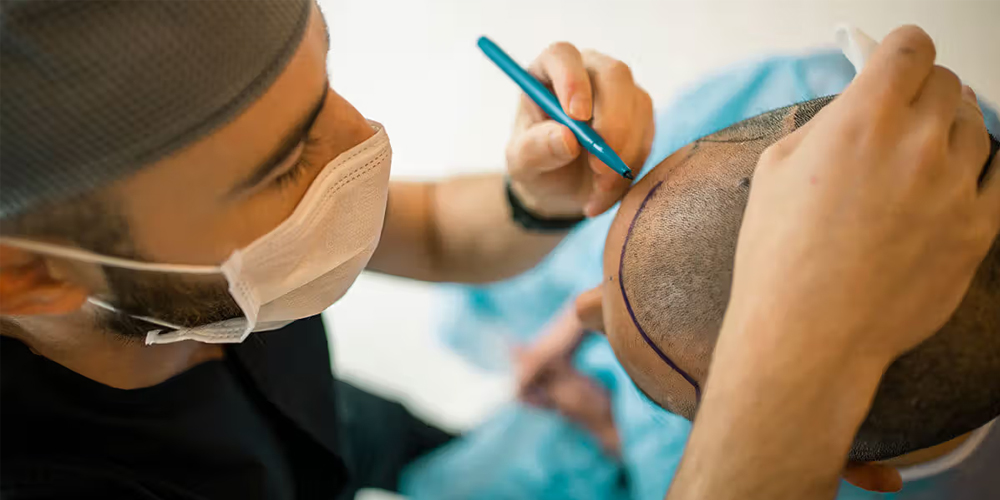
The selection of donor areas is critical in hair restoration because they contain hair follicles genetically resistant to balding. Generally, the hair on the back and sides of the head remains unaffected by male or female pattern baldness. By harvesting these robust follicles, surgeons can ensure that the transplanted hair is likely to grow successfully long term.
1.3. Genetics and Hair Growth Cycles
Understanding genetics is pivotal in determining how long a hair transplant lasts. Each hair follicle operates on a cyclical basis consisting of three key phases: anagen (growth), catagen (transition), and telogen (rest). While the transplanted hair follicles may continue to thrive, the recipient's genetic predisposition toward hair loss can still play a role in future thinning.
Therefore, it's essential to recognize that even though transplanted hair comes from genetically resilient areas, individuals may continue experiencing hair thinning due to their inherent genetics.
2. Factors Affecting the Lifespan of a Hair Transplant
Several aspects can significantly impact the longevity of hair transplants. It is essential to consider these factors when seeking to understand how long your hair restoration results may last.
2.1. The Recipient's Genetic Predisposition
Genetic factors predominantly influence how long a hair transplant will last. Conditions such as androgenetic alopecia (commonly known as male or female pattern baldness) dictate the permanence of hair in various regions of the scalp.
Tragically, those with a strong genetic inclination toward hair loss may find their newly transplanted hair ultimately subject to similar thinning processes over time. Even so, the transplanted hair will generally fare better than the existing surrounding hair since it originates from a more resistant area.
This genetic lottery also dictates how quickly you might experience thinning after the procedure. For some individuals, it can be years before any noticeable loss occurs, while others might see changes sooner.
2.2. Quality of Donor Hair
The health and quality of the donor hair follicles critically determine the success of the transplant. Surgeons meticulously assess donor hair, looking for strong and healthy follicles that have a higher likelihood of thriving post-transplant.
High-quality donor hair tends to contribute positively to the overall outcome, leading to stronger hair growth patterns and better retention over time. Conversely, if the extracted follicles are weak or damaged, the results could diminish faster than expected.
2.3. Surgical Technique and Expertise
The skills and expertise of the surgeon conducting the hair transplant cannot be overstated. A well-executed procedure can significantly enhance the longevity of the results.
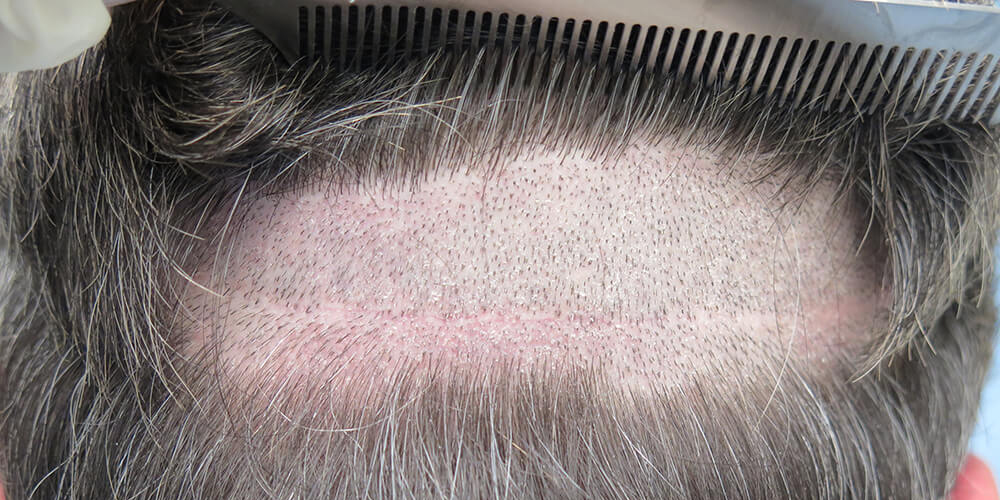
Experienced surgeons will plan the procedure carefully, ensuring optimal blood flow to the recipient area and minimizing trauma during extraction and implantation. Their technique can have a lasting impact on how well the transplanted hair takes root and flourishes.
When choosing a surgeon, take the time to evaluate their credentials, reputation, and past patient outcomes. An expert hand can transform not only the immediate results of the procedure but also the long-term health of your hair.
2.4. Post-Operative Care
Proper post-operative care is paramount in determining the longevity of your hair transplant. Following the surgeon’s post-operative instructions closely, including medication usage, scalp hygiene, and avoiding high-stress activities, is essential for healing and promoting healthy growth.
Neglecting post-operative care can lead to complications such as infection or graft failure, ultimately reducing the lifespan of the transplanted hair. Remember, taking proactive steps in your recovery can significantly bolster the success of the procedure.
3. Expected Lifespan of Transplanted Hair
Understanding the general timeline of how long transplanted hair can last is crucial for setting realistic expectations. Though individual experiences may vary, certain trends exist regarding the longevity of transplanted hair.
3.1. The Promise of Permanent Hair Growth
Transplanted hair follicles tend to act similarly to native hair follicles in the donor area. Thus, they are expected to grow and thrive throughout a person's life, provided optimal conditions are maintained. Many individuals report satisfaction with their results for decades following the procedure, allowing them to enjoy a fuller head of hair without ongoing treatments.
One critical point to note is that while transplanted hair is typically permanent, it does not guarantee immunity from the effects of aging or ongoing hair loss. Gradual thinning may still occur in non-transplanted areas, potentially leading to unevenness in hair density over time.
3.2. Natural Appearance and Integration
Another aspect contributing to the long-lasting satisfaction with hair transplants is the ability to create a natural appearance. Skilled surgeons use advanced techniques to design a hairline that seamlessly integrates with existing hair, creating a uniform look.
As the transplanted hair grows, it becomes increasingly indistinguishable from native hair, further enhancing the sense of permanence. Natural-looking results improve self-confidence and help individuals feel comfortable in their skin.
3.3. Reduced Need for Further Procedures
For many patients, a successful hair transplant can minimize or eliminate the need for additional surgeries. While slight thinning may occur over time, most people find that the majority of their transplanted hair remains intact, negating the necessity for repeat interventions.
However, it’s essential to remain vigilant in monitoring the condition of non-transplanted hair, as ongoing hair loss in those areas could lead individuals to seek supplementary procedures. Being proactive and aware of these changes can help maintain consistent results.
4. What to Expect in the Long Term
Long-term outcomes following a hair transplant can vary widely based on multiple factors. However, patients can generally anticipate a few consistent results as they progress beyond the initial stages of recovery.
4.1. Sustained Hair Growth in Treated Areas
Most patients can expect sustained hair growth in treated areas as long as they maintain their overall health and avoid severe trauma. Engaging in healthy habits, such as proper nutrition and regular exercise, can significantly bolster the longevity of results.
Moreover, as the transplanted hair matures, it adapts to its new environment and continues to grow robustly. Over time, individuals will witness the gradual transformation of their hair, leading to improved aesthetics and greater self-assurance.
4.2. Enhanced Confidence and Self-Esteem
A significant benefit of hair restoration is the surge in confidence and self-esteem it can bring. For many individuals, having a full head of hair correlates deeply with personal identity and how they perceive themselves in social settings.
With the arrival of restored hair, people can engage in social interactions without the looming worry of bald patches or thinning hair. This newfound confidence often permeates other aspects of life, encouraging individuals to pursue opportunities they may have previously shied away from.
4.3. Continuous Monitoring and Maintenance
While the majority of transplanted hair is typically permanent, ongoing vigilance is essential in maintaining the overall health of one's hair. Regularly assessing the condition of non-transplanted areas can aid in identifying early signs of hair loss.
Engaging in preventive measures, such as consulting with a doctor about potential medications like minoxidil or finasteride, can slow down the progression of hair loss. With early intervention, individuals can maximize the benefits of their hair transplant and preserve their new look for the long haul.
5. Managing Hair Loss After a Hair Transplant
Although successful hair transplants often yield impressive results, managing future hair loss remains essential. Taking proactive steps ensures that individuals maintain their gains and foster healthy hair growth.
5.1. Embrace a Healthy Lifestyle
Maintaining a balanced diet rich in essential nutrients contributes to overall wellbeing. Foods high in vitamins A, C, D, E, zinc, iron, and omega-3 fatty acids support hair health and can promote optimal hair growth.
Moreover, incorporating regular physical activity into one’s routine helps to alleviate stress, which is known to negatively affect hair health. Adopting healthy habits sets the stage for a positive mindset, ultimately reinforcing the psychological benefits of hair restoration.

5.2. Consider Medications
For those who notice further thinning in non-transplanted areas after a hair transplant, it may be worthwhile to consult a healthcare professional about potential medications. Options such as minoxidil or finasteride can help manage hair loss, maintaining density and promoting growth.
Communication with a trusted physician is vital in navigating these options. A personalized approach tailored to one’s unique circumstances can yield the best outcomes in maintaining hair health.
5.3. Remain Vigilant and Proactive
Regularly assessing changes in hair density and maintaining communication with your hair transplant surgeon can foster long-term success. Being proactive allows individuals to stay informed about the condition of their hair, empowering them to make informed decisions regarding potential future interventions.
Building a strong relationship with your surgeon can foster trust and open lines of communication, allowing you to navigate hair loss concerns collaboratively.
6. When to Consider a Hair Transplant
Hair transplantation is not a one-size-fits-all solution; understanding when to consider the procedure is essential for achieving desired results. There are several scenarios where individuals might find hair transplants particularly beneficial.
6.1. Addressing Androgenetic Alopecia
Androgenetic alopecia, or pattern baldness, is the leading cause of hair loss in both men and women. Those struggling with this condition often find themselves drawn to hair transplants as a means of restoring their hairline and density.
Patients should assess their degree of hair loss and consider whether their condition has stabilized before opting for a transplant. Consulting with a qualified surgeon can provide valuable insights into the suitability of the procedure.
6.2. Repairing Hair Loss Due to Injury or Scarring
Individuals who have experienced hair loss due to injury, burns, or surgical scars may find solace in hair transplantation. Restoration techniques can fill in gaps where hair has been lost, helping to restore both appearance and confidence.
Surgeons can often tailor the transplant to address specific areas requiring attention, presenting a customized solution to each individual’s unique situation.
6.3. Enhancing Thinning Hair for Improved Aesthetics
Those dissatisfied with thinning hair or a receding hairline may consider hair transplants as a way to enhance their overall appearance. Even subtle improvements in hair density can yield significant boosts in self-esteem.
Consulting with an experienced hair restoration specialist can provide clarity on expectations, potential outcomes, and the decision-making process surrounding hair transplants.
Conclusion
The question, how long does a hair transplant last, is multi-faceted and influenced by numerous variables. While genetic predispositions, surgical techniques, and post-operative care all contribute to the long-term success of the transplant, careful management of overall health and lifestyle choices can further increase the chances of a satisfying outcome.
Whether you’re facing hereditary hair loss, recovering from an incident, or simply desiring a fuller head of hair, understanding the dynamics of hair transplantation can empower you to make informed choices along this transformative journey.
LATEST POSTS