Healthy Hair, Healthy You: The Ultimate Hair Care Diet
The term hair care encompasses a multitude of practices designed to maintain and improve the health and appearance of hair. Just like our skin, hair requires proper nourishment, hydration, and protection from environmental damage. A holistic approach to hair care involves not only the use of quality products but also a balanced diet enriched with essential nutrients that promote hair growth, strength, and overall vitality.
In this article, we will dive deep into the relationship between diet and hair health. We’ll explore how specific nutrients impact our hair's texture, growth, and resilience, and provide actionable tips on how to incorporate these elements into your daily life.
1. Understanding the Connection Between Diet and Hair Health
Diet is often an overlooked aspect of hair care, yet it serves as the foundation upon which healthy hair grows. To effectively nourish your hair from the inside out, understanding the different nutrients that contribute to hair health is paramount.
1.1. The Role of Proteins in Hair Development
Hair is primarily made up of keratin, a type of protein. This means that consuming enough high-quality protein is crucial for maintaining healthy hair.
Protein-rich foods such as chicken, fish, eggs, and legumes are essential. These proteins provide the building blocks necessary for hair follicle regeneration and repair.
Including a variety of protein sources in your diet can also help to stabilize your hair's moisture levels, preventing dryness and breakage.
Moreover, inadequate protein intake can lead to hair thinning and loss. This highlights the importance of balancing your plate with protein-rich foods to foster a robust and resilient mane.
1.2. Essential Fatty Acids for Moisture Retention
Fatty acids play a pivotal role in keeping hair hydrated and nourished. Omega-3 fatty acids, in particular, contribute to scalp health and shine.
Foods rich in omega-3s include salmon, chia seeds, walnuts, and flaxseeds. Consuming these foods regularly can help reduce inflammation in the scalp and promote hair growth.
These healthy fats work by providing essential oils to your hair follicles, allowing them to thrive in a moist environment. This translates to softer, shinier, and more manageable hair.
Additionally, a strong connection exists between hormonal balance and hair health, and healthy fats contribute to regulating hormones, further supporting hair growth.
1.3. Vitamins and Minerals for Strengthening Hair Follicles
The role of vitamins and minerals cannot be overstated when it comes to hair health. Vitamins A, C, D, E, as well as biotin and zinc, are critical for hair growth and strength.
Vitamin A encourages the production of sebum, which keeps the scalp hydrated. Without sufficient vitamin A, you may experience a dry scalp and brittle hair.
Vitamin C is involved in collagen synthesis, which provides structure and support to hair strands. It also acts as an antioxidant, protecting hair from oxidative stress caused by free radicals.
Vitamin D plays a significant role in the hair growth cycle. A deficiency can disrupt this cycle, leading to hair thinning or loss.
Zinc supports tissue growth and repair, which is essential for keeping hair follicles healthy.
To ensure you're getting enough of these essential nutrients, consider including leafy greens, citrus fruits, nuts, fish, and dairy products in your meals.
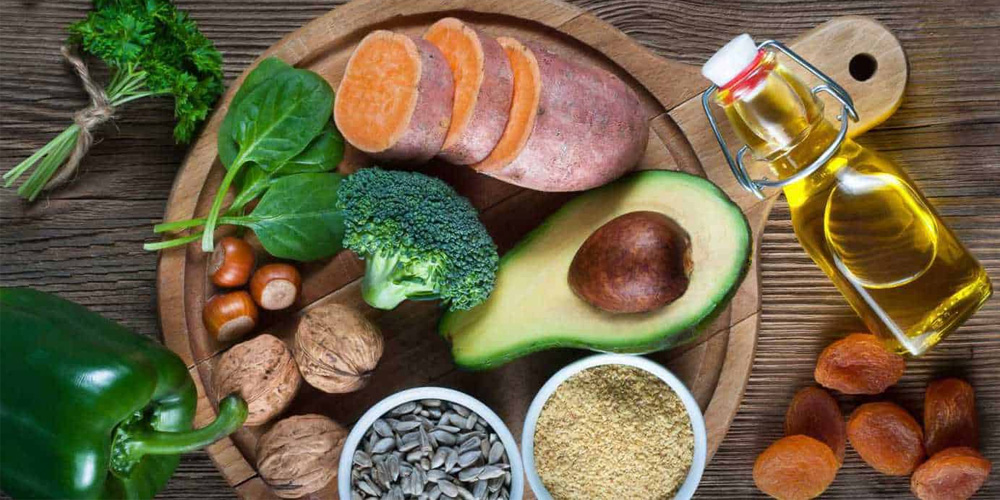
2. Food Choices That Promote Healthy Hair
Adopting a diet rich in select foods can profoundly impact your hair's health. Certain food choices stand out for their unique benefits, promoting everything from growth to luster.
2.1. Leafy Greens and Their Nutritional Benefits
Leafy greens like spinach, kale, and Swiss chard are packed with vitamins A, C, and iron, making them a powerhouse for hair health.
These greens enhance blood circulation in the scalp, ensuring that hair follicles receive all the oxygen and nutrients they need to thrive.
Iron is particularly important; a deficiency can lead to hair loss due to insufficient oxygen supply to the roots. Not only do leafy greens fortify your hair, but they also contribute to overall health and wellness.
Including a salad filled with diverse greens in your daily meals can be an easy yet effective way to boost your intake of these vital nutrients.
2.2. Nuts and Seeds: The Unsung Heroes of Hair Care
Nuts and seeds are often neglected in the average diet, yet they are rich in proteins, healthy fats, and antioxidants, contributing significantly to hair health.
Almonds, walnuts, sunflower seeds, and pumpkin seeds all boast high levels of essential fatty acids and minerals like zinc and selenium.
These nutrients work synergistically to prevent hair loss and promote growth. They also create an ideal environment for hair follicles by reducing inflammation in the scalp.
A simple way to integrate nuts and seeds into your diet is by adding them to smoothies, oatmeal, or salads, or even enjoying them as snacks throughout the day.
2.3. Animal Products: A Comprehensive Source of Nutrients
For those who consume animal products, lean meats, fish, and dairy can serve as excellent sources of protein and essential nutrients that support hair health.
Fish like salmon and mackerel are rich in omega-3 fatty acids and vitamin D, both crucial for maintaining healthy hair.
Eggs are another notable option; they are packed with biotin, a vitamin that promotes hair growth and strengthens follicles.
Dairy products, such as yogurt and cheese, contain calcium and vitamin B12, which are also beneficial for hair health.
For optimal results, aim to include a variety of these protein-rich foods in your diet, as they provide a diverse range of nutrients that work together to bolster hair health.
2.4. Hydration: A Key Component Often Overlooked
While we often focus on food choices, hydration is a critical aspect of a hair care diet that should not be overlooked.
Drinking adequate amounts of water helps maintain moisture levels in both the body and the hair. Dehydration can result in brittle hair and a flaky scalp, undermining all other efforts made towards hair care.
Aim to drink at least eight glasses of water per day, and consider incorporating hydrating foods like watermelon, cucumbers, and oranges into your meals.
Hydration should be viewed as a fundamental pillar of hair health—one that works harmoniously with nutrition to produce optimal results.
3. Lifestyle Factors Affecting Hair Health
Beyond diet, various lifestyle factors can significantly influence hair health. Understanding these elements can empower you to make informed choices that enhance your hair’s condition.
3.1. Stress Management and Its Impact on Hair Growth
Chronic stress is a silent enemy that can wreak havoc on your hair health.
When we're stressed, the body produces higher levels of cortisol, which can lead to increased hair shedding and potential hair loss.
Implementing effective stress management techniques, such as mindfulness practices, exercise, and hobbies, can positively impact your hair and overall well-being.
Yoga and meditation can be particularly beneficial, offering a dual advantage of physical exercise and mental relaxation. By reducing stress levels, you pave the way for healthier hair growth.

3.2. The Importance of Sleep for Hair Repair
Quality sleep is another factor that has a profound effect on hair health. During deep sleep, the body undergoes repair and regeneration processes, which extends to your hair follicles.
Poor sleep patterns can hinder these processes, potentially leading to weakened hair and slower growth.
Establishing a consistent sleep routine and creating a restful environment can improve both your sleep quality and your hair health. Aim for seven to nine hours of uninterrupted rest each night.
3.3. Regular Exercise: Blood Circulation and Hair Health
Incorporating regular physical activity into your routine can stimulate blood circulation, promoting nutrient delivery to hair follicles.
Exercise also helps regulate hormones and reduce stress, both of which have a direct impact on hair health.
Engaging in activities such as running, yoga, or biking can be enjoyable ways to stay active while supporting your hair and overall well-being. Strive to find forms of exercise you enjoy, making it easier to incorporate movement into your daily life.
3.4. Avoiding Harmful Practices That Damage Hair
While certain lifestyle choices benefit hair health, others can be detrimental. Harmful practices, such as excessive heat styling or chemical treatments, can cause irreversible damage.
Limiting the use of hot tools, opting for heat protectants, and choosing natural alternatives for hair color can drastically improve hair condition.
Additionally, avoiding tight hairstyles can prevent traction alopecia, a condition caused by constant pulling on the hair. Make conscious choices about how you treat your hair daily; every small decision contributes to your long-term hair health.
4. Building a Balanced Hair Care Routine
Integrating all the aforementioned components into a cohesive hair care routine is vital for achieving optimal results. A well-rounded approach ensures that your hair receives comprehensive care from multiple angles.
4.1. Selecting Appropriate Hair Care Products
Choosing the right products is crucial for maintaining healthy hair. Look for shampoos and conditioners free from sulfates and parabens, which can strip hair of its natural oils.
Focus on products that contain nourishing ingredients such as argan oil, shea butter, and essential vitamins. Reading product labels carefully can help you make informed choices.
Consider consulting a professional stylist or dermatologist to determine the best products suited for your hair type and concerns.
4.2. Establishing a Regular Washing Schedule
Finding the right washing frequency is key to maintaining healthy hair. For some, washing daily may strip away too much natural oil, while others may require frequent cleansing due to oiliness or sweat.
Experimenting with different washing schedules can help you discover what works best for your hair type.
Be mindful of using lukewarm water instead of hot, as hot water can dry out your scalp and hair.
4.3. Incorporating Deep Conditioning Treatments
In addition to regular washing, integrating deep conditioning treatments can provide extra hydration and nourishment.
Using masks infused with natural oils, such as coconut or olive oil, can significantly improve hair texture and softness.
Aim to incorporate a deep conditioning treatment once a week, focusing on the ends of your hair where damage tends to be most prominent.
4.4. Protecting Your Hair from Environmental Damage
Environmental factors can take a toll on your hair over time. UV exposure, pollution, and harsh weather can weaken hair and lead to split ends.
Wearing hats or scarves when outdoors can protect your hair from harmful elements. Additionally, seeking shade during peak sun hours is beneficial.
Using leave-in conditioners or serums with UV protection can also mitigate damage. Choosing to prioritize protection will go a long way in preserving your hair's health.
Conclusion
Achieving healthy hair is an ongoing journey that combines proper hair care, a balanced diet, and mindful lifestyle choices. The intricate relationship between what we eat and how our hair looks and feels underscores the importance of viewing hair health holistically.
By prioritizing nutrient-rich foods, managing stress, and adopting a tailored hair care routine, individuals can unlock the full potential of their hair. Remember, the road to vibrant hair is paved with patience and dedication, but the rewards are well worth the effort.
LATEST POSTS