Do Hair Transplants Work? Effectiveness and Success Rates
Do Hair Transplants Work? This question lingers in the minds of many individuals grappling with hair loss. As a common concern that affects millions worldwide, thinning hair and baldness can severely impact self-esteem and quality of life. The quest for a solution often leads people to consider various treatments, with hair transplants emerging as one of the most talked-about options. Understanding their effectiveness and success rates is crucial for those contemplating this procedure.
Hair transplants are not just a cosmetic fix; they represent a significant emotional journey for many. They promise a return to youthful appearance and vigor, but how reliable are these procedures? In this article, we will delve into the intricate world of hair transplants, exploring their mechanisms, success stories, potential drawbacks, and what individuals can realistically expect from them.
1. Understanding Hair Loss and Its Causes
Before discussing whether hair transplants work, it's essential to understand the underlying causes of hair loss. Various factors contribute to this common issue, and recognizing them can help set realistic expectations when considering hair transplant surgery.
1.1. Types of Hair Loss
There are several types of hair loss conditions, each with different implications for treatment options. The main categories include:
- Androgenetic Alopecia: This hereditary condition is often referred to as male or female pattern baldness. It typically presents as receding hairlines or thinning at the crown.
- Alopecia Areata: An autoimmune disorder that results in sudden hair loss in patches. While it can be distressing, it's usually more unpredictable than other forms of hair loss.
- Telogen Effluvium: This temporary form of hair shedding occurs due to stress, hormonal changes, or medical conditions. The hair usually regrows after the triggering event resolves.
Understanding these distinctions is vital for anyone considering a hair transplant. Not all types of hair loss are suitable for transplantation; therefore, consulting with a qualified specialist to diagnose the specific cause of hair loss is critical.
1.2. Psychological Impact of Hair Loss
The psychological toll of hair loss cannot be overstated. For many, hair serves as a significant form of self-expression and identity. When it begins to thin or recede, feelings of inadequacy and anxiety can surface. Individuals often report lower self-esteem, social withdrawal, and depression linked to their changing appearance.
This emotional aspect plays an important role in the decision to pursue hair transplants. Many patients enter consultations not only wanting a physical change but seeking a means to restore confidence and improve their overall quality of life.
1.3. The Role of Genetics and Hormones
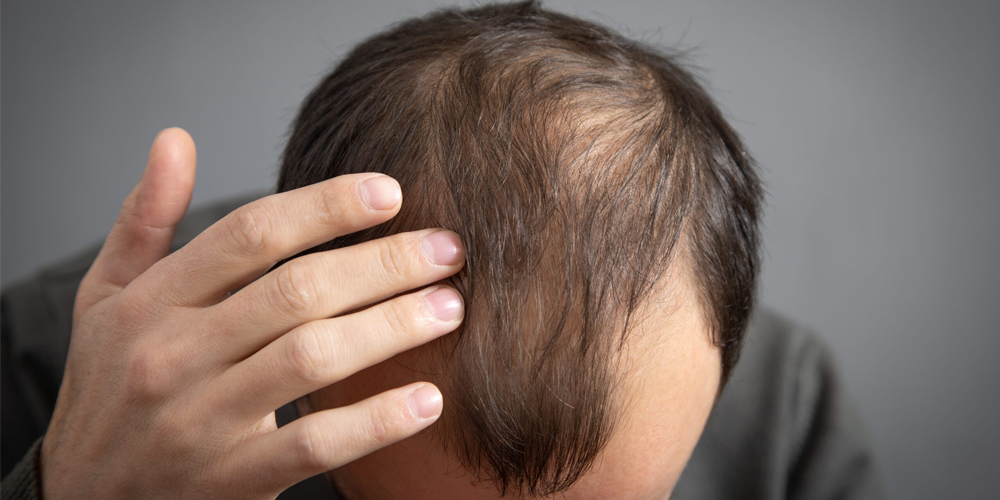
Genetics and hormones play a pivotal role in hair loss. Male and female hormones influence hair follicle sensitivity, leading to miniaturization of hair strands over time. Understanding the genetic predisposition to hair loss can assist individuals in making informed decisions regarding prevention or treatment methods, including hair transplants.
With a clear grasp of the causes and implications of hair loss, individuals can approach hair transplant discussions with both knowledge and realism. This exploration sets the stage for understanding how effective these procedures truly are.
2. The Science Behind Hair Transplants
To assess the effectiveness of hair transplants, one must first comprehend the science behind the procedure itself. It's not merely about relocating hair follicles; it's about understanding how the body reacts and integrates new hair strands.
2.1. Follicular Unit Extraction vs. Follicular Unit Transplantation
Hair transplants primarily fall into two techniques: Follicular Unit Extraction (FUE) and Follicular Unit Transplantation (FUT). Both methods aim to achieve natural-looking results, yet they differ significantly in approach.
- Follicular Unit Extraction (FUE): In this minimally invasive procedure, individual hair follicles are harvested directly from the scalp using tiny punch tools. The harvested follicles are then implanted in the balding areas. FUE leaves minimal scarring, which appeals to many patients.
- Follicular Unit Transplantation (FUT): In contrast, FUT involves removing a strip of scalp from the donor area, dissecting it into units, and then implanting them in the recipient site. While this method may leave a linear scar, it can often yield a higher number of grafts in one session.
Both methods have their pros and cons, and the choice largely depends on individual circumstances, such as the extent of hair loss and personal preferences. Consulting with a specialist ensures tailored recommendations based on unique needs.
2.2. The Healing Process and Hair Growth Cycle
After the transplant, patients undergo a healing process where the newly implanted follicles settle into their new environment. The typical hair growth cycle includes three phases: anagen (growth), catagen (transition), and telogen (rest).
Following a transplant, some initial shedding may occur as the follicles adjust to their new location. However, patients should remain patient; it usually takes several months for visible results to appear. By understanding this natural rhythm, individuals can better manage their expectations while waiting for full results.
2.3. Long-Term Results and Maintenance
One of the most compelling aspects of hair transplants is the promise of long-lasting results. Unlike temporary solutions like wigs or topical treatments, transplanted hair follicles are taken from areas resistant to hair loss, meaning they should continue to grow for years.
However, it’s essential to note that hair loss can still progress in untreated areas of the scalp. Therefore, ongoing maintenance, such as medications or additional sessions, may be necessary to ensure balanced hair density across the entire head.
With this foundational understanding of the science behind hair transplants, we can examine their effectiveness and success rates from both statistical and anecdotal perspectives.
3. Evaluating Effectiveness and Success Rates
When assessing whether hair transplants work, effectiveness and success rates become significant parameters. What do the numbers say? Moreover, how do personal experiences align with clinical data?
3.1. Clinical Success Rates
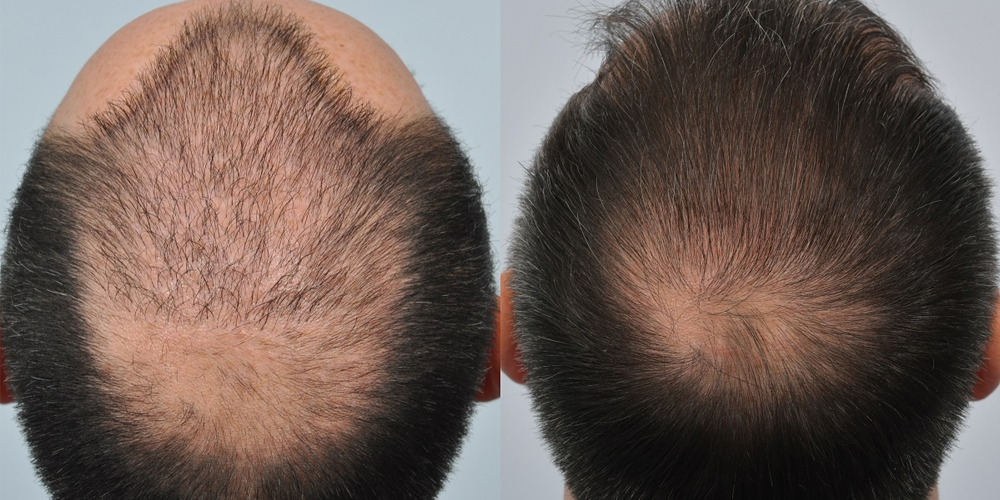
Various studies indicate that hair transplants generally have a high success rate—often reported as around 85-95% for transplanted grafts surviving post-procedure. Such figures might suggest that hair transplants are nearly foolproof, but interpretation requires discernment.
Success can vary based on several factors, including the skill of the surgeon, the quality of the donor hair, and adherence to post-operative care instructions. A well-executed procedure performed by an experienced practitioner significantly increases the likelihood of favorable outcomes.
3.2. Patient Satisfaction and Testimonials
Beyond clinical metrics, patient satisfaction stands out as the most critical indicator of success. Individuals often share their transformative journeys through testimonials, reporting improvements not only in hair density but also in self-image and confidence.
Many patients find that their lives change dramatically after a successful transplant. Increased social engagement, enhanced professional opportunities, and improved romantic prospects frequently emerge as common themes in these narratives.
While individual experiences can vary, the overwhelmingly positive feedback surrounding hair transplants speaks volumes about their perceived effectiveness. It highlights that beyond physical transformation, these procedures often foster emotional resilience and fulfillment.
3.3. Considerations for Realistic Expectations
Despite convincing statistics and testimonials, it's paramount for individuals considering hair transplants to maintain realistic expectations. Factors such as age, hair type, and the extent of existing hair loss can influence results.
Understanding that hair transplants are not a cure-all is essential. Some individuals may need multiple sessions to achieve desired fullness, while others may experience varying degrees of success based on unique biological factors.
Moreover, while hair transplants offer a permanent solution for specific areas, they don’t prevent future hair loss in untreated sections of the scalp. Patients should prepare for the possibility of further thinning and should discuss comprehensive strategies for maintaining hair health with their surgeon.
In light of these considerations, achieving balance between optimism and caution can empower individuals to make informed decisions about their hair restoration journey.
4. Potential Risks and Limitations
Like any medical procedure, hair transplants come with their own set of risks and limitations. Understanding these concerns is vital for anyone contemplating surgery, as they can significantly affect overall satisfaction and results.
4.1. Side Effects and Complications
Post-operative side effects, while generally mild, can include swelling, bruising, and discomfort in the donor and recipient areas. More severe complications, though rare, may involve infections or excessive bleeding.
Patients must adhere strictly to the post-operative care guidelines provided by their surgeons in order to minimize such risks. Taking prescribed medications, avoiding strenuous activities, and following hygiene protocols can greatly improve recovery outcomes.
4.2. Financial Considerations
One of the often-overlooked limitations of hair transplants is the financial investment required. These procedures rarely fall within insurance coverage, leaving patients responsible for the total cost.
Prices can vary dramatically based on the clinic's reputation, location, and technique used. Before committing, individuals should conduct thorough research, compare clinics, and understand what makes each service unique to ensure they receive value for their investment.
4.3. Emotional Preparedness
Emotional readiness for the procedure is as vital as physical preparedness. The prospect of undergoing surgery can evoke anxiety for many individuals. Prospective patients should take time to evaluate their motivations, address any fears, and ensure they possess a strong support system.
Consultations with mental health professionals or support groups can provide insights and reassurance that bolster emotional resilience during the journey toward hair restoration.
By navigating these potential risks and limitations thoughtfully, individuals can better prepare for the realities of hair transplant surgery and empower themselves to make informed decisions.
Conclusion
So, do hair transplants work? The answer, while nuanced, leans towards a resounding “yes.” With a robust understanding of the causes of hair loss, the science of hair transplantation, statistical success rates, personal testimonials, and potential risks involved, individuals can confidently approach their hair restoration journey.
With advances in technology and expertise, modern hair transplant techniques continue to evolve, delivering promising results for those seeking to reclaim their hair-and their self-confidence. Ultimately, the decision to undergo a hair transplant is deeply personal and should stem from careful consideration and consultation with qualified professionals.
As individuals reflect upon their choices, they should remember that hair transplants symbolize more than just a cosmetic procedure; they embody a journey toward renewed self-assurance and holistic well-being. Whether through a single session or multiple treatments, the path to hair restoration could be the beginning of a transformative chapter.
LATEST POSTS