A Women’s Guide to Menopause Hair Loss and Restoration
Menopause is a significant stage in a woman's life, representing a crossroads where various physical and emotional changes intertwine. Among the myriad symptoms that accompany this transition, hair loss often emerges as an unexpected and distressing concern. As estrogen levels decline, many women observe noticeable thinning or shedding of their hair, which can affect self-esteem and body image. However, understanding the underlying causes of menopause-related hair loss and exploring effective strategies for restoration can empower women to navigate this challenging period with confidence. This comprehensive guide aims to elucidate the complexities surrounding menopause and hair loss, providing insights into its causes, manifestations, and available restoration methods.
1. Understanding the Culprit: Why Hair Loss Happens During Menopause
Hair loss during menopause can be attributed primarily to hormonal fluctuations, particularly the decline in estrogen levels. This section delves deeper into how these hormonal changes lead to alterations in hair follicles and ultimately contribute to hair loss.
1.1. The Role of Estrogen in Hair Growth
Estrogen is a crucial hormone that regulates the hair growth cycle. The hair growth cycle consists of three phases: anagen (growth), catagen (transitional), and telogen (resting). In healthy individuals, hair remains in the anagen phase for an extended period, allowing it to grow long and strong. However, as estrogen levels diminish during menopause, the duration of the anagen phase shortens, leading to a quicker transition to the telogen phase. This acceleration means that hair spends less time growing and more time shedding, resulting in noticeable thinning on the scalp.
Furthermore, estrogen also plays a role in maintaining the size and health of hair follicles. When estrogen declines, these follicles can become miniaturized, producing thinner and weaker hairs that may eventually stop growing altogether. The impact of this process can lead to significant hair loss and changes in overall hair quality, causing anxiety and frustration for many women experiencing menopause.
1.2. Sensitivity to Androgens
In addition to the decrease in estrogen, there is often an increase in androgens-male hormones-that can occur during perimenopause and menopause. With lower estrogen levels, the relative influence of these androgens becomes more pronounced. This heightened sensitivity can cause hair follicles to shrink further, exacerbating hair loss. Moreover, some women may experience terminal hair growth in areas such as the face and body, which can add to the emotional turmoil associated with menopause.
1.3. Other Contributing Factors
While hormonal changes are at the forefront, other factors can contribute to menopausal hair loss. Nutritional deficiencies, especially a lack of iron, zinc, and vitamin D, can worsen hair thinning. Diet plays a crucial role in maintaining hair health, and women experiencing deficiencies need to focus on dietary adjustments or supplements.
Stress is another significant factor influencing hair loss during menopause. The emotional and psychological challenges that come with this transition can lead to chronic stress, which may disrupt hair growth cycles and contribute to increased shedding. Medications used to treat other menopausal symptoms can also have side effects that include hair loss, making it essential to consult healthcare providers about potential alternatives.
2. Recognizing the Telltale Signs of Menopause Hair Loss
Awareness of the signs of menopause-related hair loss can help women identify the issue early and seek appropriate solutions. This section outlines the key symptoms to watch for.
2.1. Diffuse Hair Thinning
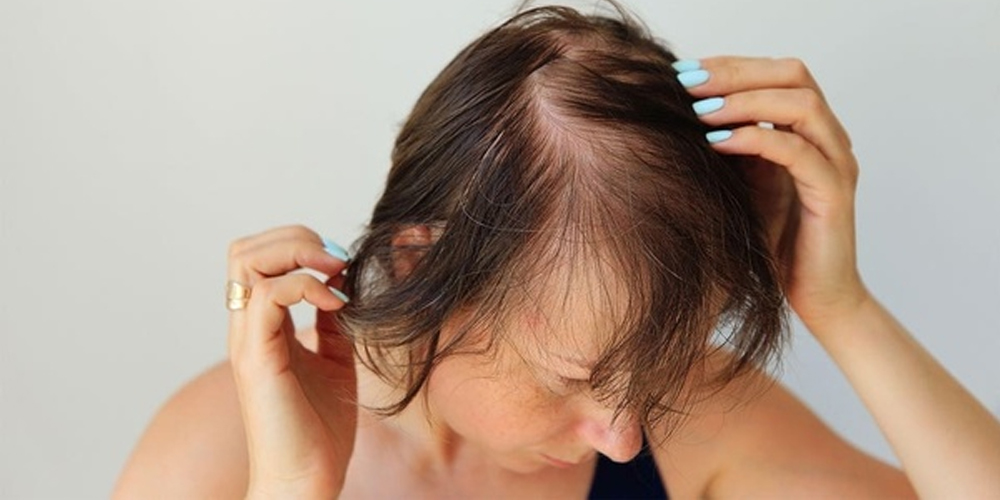
One of the most common manifestations of hair loss during menopause is diffuse thinning, which affects the entire scalp rather than just particular patches. Women may notice that their hair appears less voluminous, particularly at the crown and temples. This gradual change can be disheartening, especially if one has always had thick, full hair.
2.2. Increased Hair Shedding
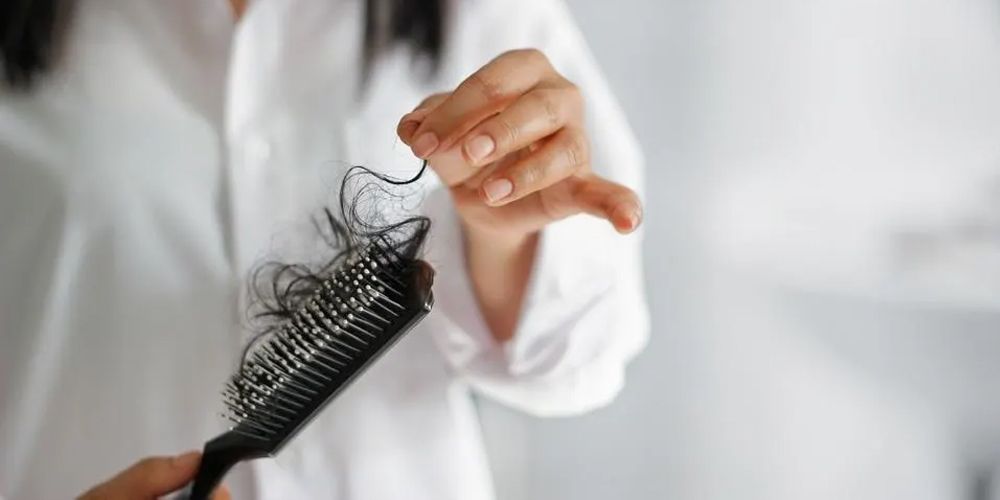
Another sign to look out for is increased hair shedding. Many women report excessive hair fall during activities such as brushing, washing, or simply running fingers through their hair. While some degree of hair shedding is normal, when it becomes noticeably excessive, it can signal a problem. Observing the amount of hair left on pillows or in shower drains can provide insight into whether the shedding is unusual.
2.3. Alterations in Hair Texture
Beyond thinning, hormonal changes can also lead to alterations in hair texture. Women may find that their hair becomes finer, weaker, and more prone to breakage. Changes in texture can indicate that the hair is no longer receiving the necessary support from hair follicles due to hormonal imbalances.
2.4. Scalp Sensitivity
Increased sensitivity or itching on the scalp may also be indicative of hair loss related to menopause. This discomfort can result from underlying inflammation or changes in the scalp's environment. It’s important for women to pay attention to these sensations, as they can inform them of potential issues requiring attention.
3. Empowering Solutions: Reversing and Managing Hair Loss
While menopause-related hair loss can be a challenging experience, various solutions exist to promote restoration and manage the condition effectively. This section outlines several strategies, ranging from hormonal therapies to lifestyle modifications.
3.1. Hormonal Therapy
Hormone Replacement Therapy (HRT) is one of the most effective methods for addressing hair loss linked to hormonal fluctuations during menopause. By supplementing the body with synthetic hormones, HRT can help stabilize the hormonal axis, alleviate symptoms associated with menopause, and encourage hair follicle growth. For many women, this intervention can slow or even reverse hair loss.
In addition to systemic approaches, topical estrogen treatments have emerged as a viable option for stimulating hair growth directly on the scalp. These creams or lotions can target specific areas of thinning hair and may offer benefits like improved follicle function and overall hair health.
3.2. Nutritional Strategies
Nutritional strategies play a vital role in managing hair loss during menopause. Iron deficiency is particularly common among women in this phase and can have a detrimental impact on hair health. Consulting with a healthcare provider about iron supplementation may be beneficial for those facing hair thinning.
Equally important are zinc and vitamin D, which support healthy hair growth. Incorporating zinc-rich foods, such as nuts, seeds, beans, and whole grains, into the diet can enhance overall hair vitality. Likewise, ensuring adequate vitamin D intake-through sunlight exposure or supplementation-can significantly impact follicular health.
Biotin and keratin supplements have gained popularity for their purported ability to strengthen hair and promote growth. While anecdotal evidence supports their use, further research is needed to assess their efficacy specifically regarding menopause hair loss.

3.3. Hair Care Practices
Adopting healthy hair care practices is crucial in promoting optimal hair health during menopause. Regular scalp massages can improve blood circulation and stimulate hair follicles, encouraging growth. Additionally, gentle hair care techniques should be prioritized to prevent damage. Women should avoid harsh chemical products, excessive heat styling, and tight hairstyles that can contribute to breakage.
Maintaining proper hydration through conditioning treatments can also fortify hair against damage. Choosing high-quality conditioners that nourish hair and prevent dryness is essential during this transitional phase.
3.4. Medical Treatments
There are medical interventions available for women seeking to restore hair growth. Minoxidil, commonly known by the brand name Rogaine, is an over-the-counter medication that stimulates hair growth in both men and women. It can be found in topical solutions or foam formulations.
For women experiencing severe hair loss, Finasteride may be prescribed. Although primarily used for male-pattern baldness, it can inhibit the production of dihydrotestosterone (DHT)-a hormone linked to hair loss. Caution and guidance from a physician are advised when considering this treatment.
Emerging therapies, such as Platelet-Rich Plasma (PRP) injections, utilize the body's own platelets to stimulate hair follicles. This minimally invasive procedure involves extracting blood, processing it to concentrate platelets, and injecting it into the scalp. The growth factors released from platelets can revitalize hair follicles and encourage regrowth, although additional research is warranted to solidify its effectiveness.
Stem cell therapy is another exciting area of research, with potential implications for regenerating hair follicles. While emerging studies show promise, more extensive clinical trials are needed before it becomes a mainstream treatment for hair loss related to menopause.
3.5. Lifestyle Modifications
Women can take proactive steps to manage their hair loss through lifestyle modifications. Engaging in stress-reducing activities, such as yoga, meditation, or spending time outdoors, can significantly alleviate the mental strain of menopause while positively impacting hair health. Stress management techniques not only benefit emotional well-being but also play a critical role in stabilizing hormones.
Regular exercise contributes to improved blood circulation, which is vital for nourishing hair follicles. Physical activity also serves to enhance overall health, including hormonal balance, contributing to healthier hair.
Additionally, prioritizing quality sleep is essential for supporting hair growth. Aim for 7-8 hours of restful sleep each night, as inadequate sleep can exacerbate hormonal imbalances and hinder the body’s ability to repair itself, including hair follicles.

4. Navigating the Journey with Support and Information
Experiencing hair loss during menopause can be a daunting journey, yet it is essential to remember that support exists. Seeking guidance from healthcare professionals specializing in women's health can facilitate an accurate assessment of the root causes of hair loss and aid in developing a personalized treatment plan.
Connecting with other women who are navigating similar experiences can provide invaluable emotional support. Online forums and local support groups offer a safe space for sharing stories, exchanging information, and building a sense of community. Empathy from those who truly understand the challenges of menopause can help alleviate feelings of isolation.
Education is a powerful tool in empowering women to regain control over their health. Staying informed about menopause, its symptoms, and effective treatments fosters a sense of agency during this transitional period.
Conclusion
Menopause represents a transformative chapter in a woman's life, and hair loss is a common symptom that can evoke feelings of distress and self-doubt. By understanding the factors contributing to hair loss during this phase and exploring available solutions, women can approach this natural transition with greater confidence.
Embracing the changes that come with menopause requires patience and compassion towards oneself. With the right knowledge, support, and proactive measures, it is possible to manage and restore hair health, allowing women to navigate this stage of life with grace and resilience. Remember, menopausal hair loss does not define your identity; it is just one aspect of a broader journey towards empowerment and self-discovery.
LATEST POSTS