How to Get a Perfect Beard with a Beard Transplant
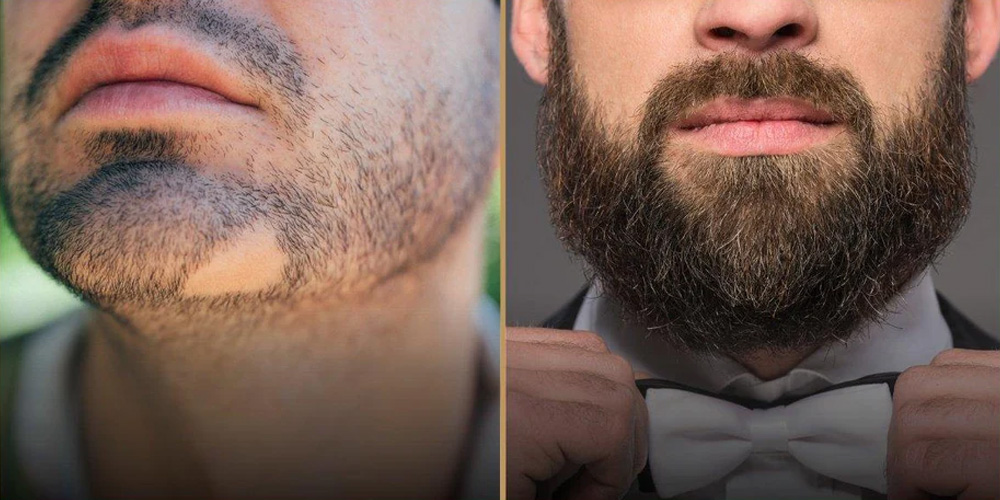
In recent years, the trend of having a well-groomed and stylish beard has become increasingly popular among men. However, not everyone is blessed with a naturally dense beard. For those who struggle with patchy growth or want to enhance their facial hair, a beard transplant can be an effective solution. This procedure has become a go-to option for men looking to achieve the perfect beard. In this article, we will explore the ins and outs of beard transplants, from understanding what they are to the post-care requirements.
1. Understanding Beard Transplants
Before diving into the specifics of the procedure, it’s crucial to understand what a beard transplant entails and who can benefit from it.
1.1. What is a Beard Transplant?
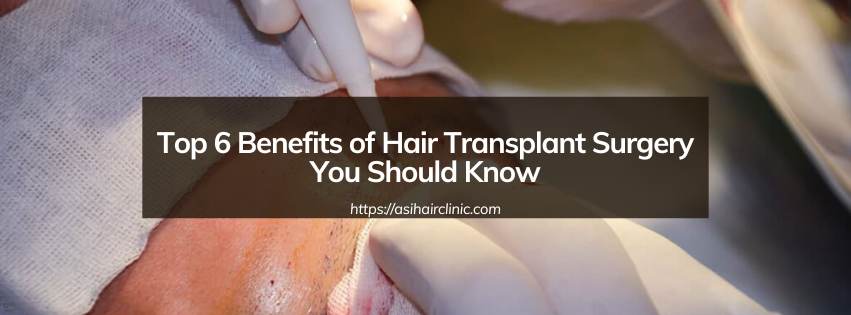
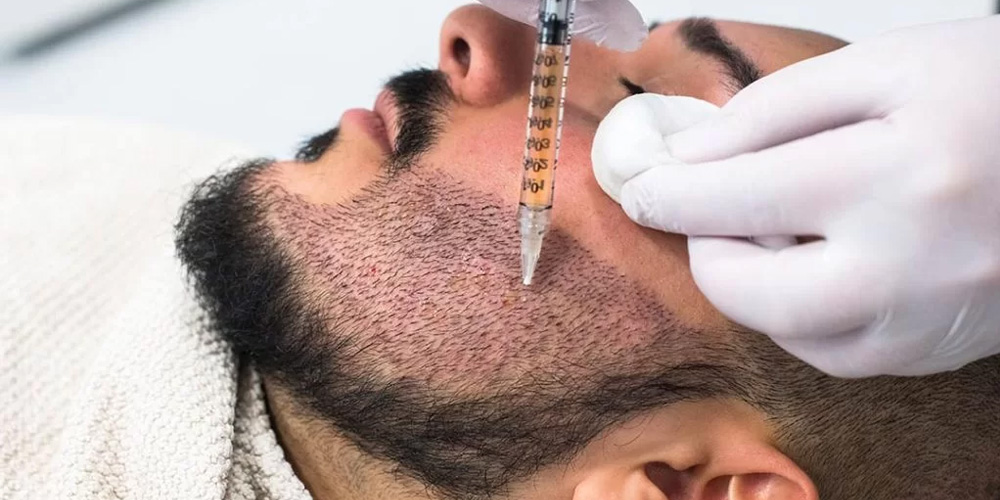
A beard transplant is a surgical procedure in which hair follicles are removed from one part of the body-typically the back of the head-and implanted into the facial area where the patient desires more hair growth. This method utilizes the concept of follicular unit extraction (FUE) or follicular unit transplantation (FUT), both of which have proven effective in restoring hair density in various areas, including the beard.
The surgery is minimally invasive, meaning that it involves less trauma to the skin compared to traditional hair restoration techniques, which often require large cuts and stitches. The extracted hair follicles are carefully placed into the target areas of the beard, allowing for natural growth patterns and a more aesthetically pleasing result.
1.2. Who Needs a Beard Transplant?
The decision to undergo a beard transplant can stem from various reasons. Some of the most common groups of individuals who might consider this procedure include:
- Men with Patchy Beards: Many men experience uneven growth in their beards due to genetic factors. A beard transplant can help fill in these gaps, creating a fuller appearance.
- Men with Scarring: Those who have suffered injuries or undergone previous surgeries that left scars in the beard area may find a beard transplant beneficial. The hair follicles can be strategically placed to cover the scars effectively.
- Older Men: As men age, the density and quality of facial hair can diminish. A beard transplant can rejuvenate their appearance by restoring a youthful-looking beard.
- Younger Men: Some younger men wish to have a beard but find it challenging to grow one. A transplant allows them to achieve the desired look without waiting for natural growth.
Understanding who needs a beard transplant lays the foundation for determining if the procedure is right for you.
2. The Beard Transplant Procedure
Now that we know what a beard transplant is and who can benefit from it, let's delve into the actual procedure itself.
2.1. Types of Beard Transplant Techniques
There are primarily two techniques used for beard transplants: Follicular Unit Extraction (FUE) and Follicular Unit Transplantation (FUT). Each technique has its own set of advantages and disadvantages.
Follicular Unit Extraction (FUE) is a popular choice for many patients due to its minimally invasive nature. In this method, individual hair follicles are harvested directly from the donor site. This technique leaves tiny scars that are virtually undetectable, making it an excellent choice for those who prefer shorter hairstyles.
Follicular Unit Transplantation (FUT), also known as strip harvesting, involves removing a strip of scalp from the donor area and dissecting it into individual follicular units under a microscope. While this method may leave a linear scar, it allows for the transplantation of a larger number of grafts in a single session, making it ideal for patients who require extensive facial hair coverage.
Both procedures yield natural results when performed by skilled professionals. The choice between FUE and FUT usually depends on personal preference, budget, and the extent of hair loss.
2.2. Step-by-Step Process of a Beard Transplant
The beard transplant process typically consists of several steps, ensuring that patients receive the best possible outcome.
Initial Consultation: The first step involves a consultation with a qualified surgeon. During this meeting, the surgeon will assess your beard growth, discuss your expectations, and determine the best approach based on your unique needs. This stage is essential for building a trusting relationship with your surgeon and setting realistic goals.
Preparation: Once the treatment plan is established, the surgeon will provide pre-operative instructions. These may include avoiding blood-thinning medications and refraining from alcohol consumption for a certain period before the transplant.
Harvesting: On the day of the procedure, the surgeon will begin by administering local anesthesia to minimize discomfort. Then, depending on the chosen technique (FUE or FUT), hair follicles will be harvested from the donor area.
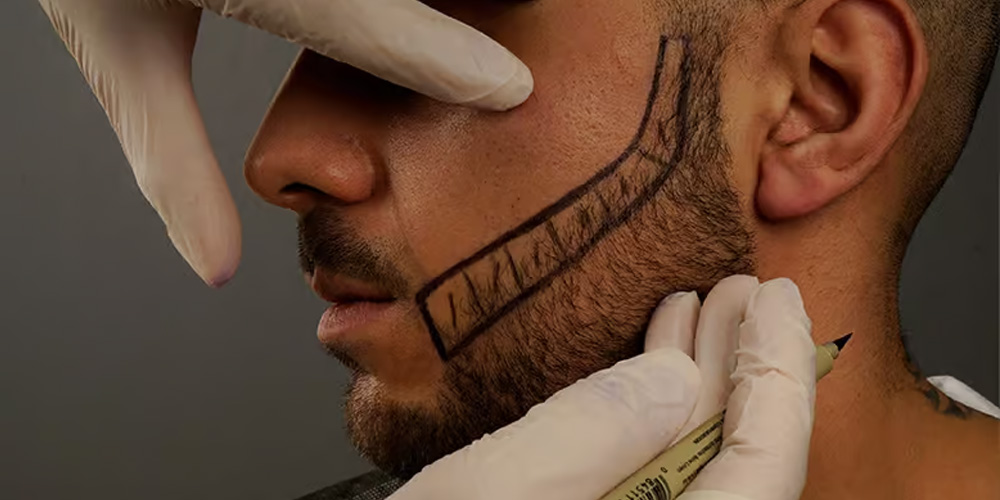
Implantation: After extraction, the surgeon will create small incisions in the recipient area where the hairs will be transplanted. The harvested follicles are then carefully placed into these incisions, following the natural growth pattern of facial hair for optimal results.
Post-Operative Care: Following the surgery, patients will receive detailed aftercare instructions, which are crucial for promoting healing and achieving successful results.
The importance of understanding the entire process cannot be overstated. Knowledge of the procedure allows potential candidates to make informed decisions regarding their beard transplant.
3. Pre-Transplant Preparation
Preparation is key to ensuring a smooth transplant experience and maximizing the chances of successful outcomes.
3.1. Things to Consider Before Getting a Beard Transplant
Before undergoing a beard transplant, there are multiple factors to consider that can influence your decision.
Health Status: Your overall health plays a significant role in determining whether you are a suitable candidate for the procedure. Individuals with underlying medical conditions may face complications during recovery. It is crucial to disclose any health issues to your surgeon beforehand.
Expectations: Be realistic about what a beard transplant can achieve. While the results are generally positive, individual outcomes may vary based on each person’s biological response to the procedure.
Consultation with a Professional: Seek a consultation with an experienced surgeon who specializes in beard transplants. They can better explain the procedure, recovery timeline, and potential risks involved.
By addressing these factors, you can prepare yourself mentally and physically for the journey ahead.
3.2. How to Prepare for a Beard Transplant
Once you have decided to move forward with a beard transplant, specific preparations should be made.
Avoid Blood Thinners: As mentioned earlier, avoid medications that thin the blood, such as aspirin and ibuprofen. These substances can increase bleeding during the procedure and compromise healing.
Stay Hydrated: Ensure that you drink plenty of water leading up to your surgery. Staying hydrated promotes better healing and helps with overall health.
Shave the Donor Area: Depending on your surgeon's instructions, you may need to shave the donor area in preparation for the procedure. This allows for easier access to the hair follicles during extraction.
Plan for Recovery: Understand that you will need some time to recover after the procedure. Arrange for someone to accompany you home and consider taking a few days off work to allow for proper healing.
Your level of preparation can greatly affect your comfort and satisfaction with the procedure, making it essential to follow guidelines closely.
4. Post-Transplant Care and Recovery
After the beard transplant procedure, proper care is vital to ensure successful healing and the best possible results.
4.1. Immediate Aftercare Tips
Immediately following your beard transplant, there are specific aftercare measures to keep in mind.
Gentle Cleaning: It's important to wash the transplanted area gently with mild soap and water, as instructed by your surgeon. Avoid scrubbing or applying pressure to the area to prevent dislodging the newly implanted follicles.
Avoid Sun Exposure: Direct sunlight can harm the healing tissues and increase the risk of pigmentation changes. Protect your face from sun exposure with a wide-brimmed hat or by staying indoors when possible.
Follow Medical Guidelines: Adhere strictly to the aftercare instructions provided by your surgeon. This may include taking prescribed medications to manage pain or inflammation.
Following these immediate aftercare tips is crucial for safeguarding your investment and ensuring optimal results.
4.2. Healing Timeline and What to Expect
The healing process after a beard transplant can vary from person to person, but there are general stages you can expect.
First Few Days: Initially, you may experience swelling around the transplant area, as well as slight redness and minor discomfort. These side effects are normal and should subside within a week.
Two Weeks Post-Operation: By this time, most of the initial swelling and redness should disappear. You may notice some shedding of the transplanted hair follicles, which is a normal part of the growth cycle.
One Month Later: At this stage, new hair growth should start to appear. Though it may seem sparse, this is a positive sign that the follicles are establishing themselves in their new location.
Three to Six Months: Over the next few months, the hair will continue to grow thicker and fuller. Patients often start to see their desired results within this timeframe.
It’s essential to remain patient throughout the healing timeline, as the full effects of the transplant can take several months to manifest fully.
4.3. Common Side Effects and How to Manage Them
While most side effects of beard transplants are mild, some individuals may experience complications requiring attention.
Swelling and Bruising: Mild swelling is common immediately after the procedure. Applying a cold compress can help reduce swelling. If bruising occurs, it usually resolves within a week.
Itching and Redness: It is normal to feel some itching as the skin heals. Avoid scratching the area, as this can disrupt the follicles. If irritation persists, consult your doctor for appropriate treatments.
Infection Risk: Although rare, infections can occur. Signs of infection include excessive redness, pus, and increased pain. If you suspect an infection, contact your surgeon immediately.
Managing these side effects is critical for ensuring a successful healing process and satisfactory results from the beard transplant.
5. Beard Transplant Results and Maintenance
Once you have successfully healed from the procedure, understanding how to maintain your newly acquired beard is essential.
5.1. When Will You See Full Beard Growth?
As mentioned earlier, patience is key when it comes to seeing results from a beard transplant. Typically, patients can expect to see visible results around three to six months post-surgery, but full growth can take up to a year.
During this time, the hair will gradually thicken and fill in, reaching its fullest potential. Individual growth rates may vary, so it's important to manage expectations accordingly. Regular follow-ups with your surgeon can help track progress and address concerns.
5.2. How to Maintain a Healthy Beard After Transplant
After investing time and resources into obtaining a perfect beard, maintaining its health becomes a priority.
Regular Washing: Clean your beard regularly with appropriate beard shampoo. This will eliminate dirt and product buildup while promoting healthy hair growth.
Moisturization: Use beard oil or conditioner to keep the hair hydrated and nourished. This practice prevents dryness and flaking, fostering a soft and manageable beard.
Trimming: Regularly trim your beard to maintain its shape and style. This not only keeps your beard looking neat but also encourages even growth.
Healthy Lifestyle: A balanced diet rich in vitamins and minerals can have a direct impact on the health of your beard. Foods high in protein, omega-3 fatty acids, and biotin promote optimal hair growth.
Understanding and implementing these maintenance strategies ensures that your beard remains healthy and attractive long after the transplant.
6. Beard Transplant Cost and Considerations
When considering a beard transplant, it is vital to factor in the costs and considerations associated with it.
6.1. How Much Does a Beard Transplant Cost?
The cost of a beard transplant can vary widely based on several factors, including the clinic's location, the surgeon's expertise, and the extent of the procedure. Generally, prices may range from a few thousand dollars to significantly higher.
When weighing costs, it's essential to consider the value offered by experienced professionals. Opting for the cheapest option may lead to unsatisfactory results or complications down the line.
6.2. Is a Beard Transplant Worth It?
The decision to undergo a beard transplant is a personal one and should be made after careful consideration. For many, the psychological benefits of achieving the desired beard appearance can be life-changing.
If you find yourself feeling self-conscious about your facial hair or believe that a fuller beard would enhance your confidence and overall appearance, the investment may well be worth it. Ultimately, the decision should align with your values and aesthetic goals.
Conclusion
Achieving the perfect beard through a beard transplant is not just a dream for many men—it is a reality made possible by advancements in hair restoration techniques. Understanding the procedure, preparing adequately, caring for your new beard, and maintaining it thereafter are all critical components of the journey.
Whether you are seeking a fuller beard to boost your confidence or mask imperfections, a beard transplant can offer you the solution you've been searching for. With the right knowledge and commitment to care, you can enjoy the benefits of a lush and stylish beard that reflects your personality and style for years to come.
LATEST POSTS