Understanding Hair Loss In Women: Causes And Solutions
Hair loss is a distressing and often embarrassing experience that affects many women around the world. While male pattern baldness tends to receive more attention, women also face their own unique challenges when it comes to hair loss. This article aims to explore the various causes of hair loss in women, the different types of hair loss, and effective solutions available. By understanding the spectrum of female hair loss, we can better equip ourselves to address this issue and find ways to cope with or even reverse its effects.
1. The Spectrum of Female Hair Loss
Female hair loss presents a varied landscape, differing significantly from the predictable patterns seen in men. Women often experience thinning or loss throughout their scalp, resulting in a more diffuse appearance. Understanding the types of hair loss is crucial for identifying appropriate treatments and interventions.
1.1. Androgenetic Alopecia (Female Pattern Hair Loss)
What is Androgenetic Alopecia?
Androgenetic alopecia, commonly referred to as female pattern hair loss, is the most prevalent type of hair loss among women, accounting for approximately two-thirds of cases. This genetically influenced condition involves the gradual miniaturization of hair follicles, leading to thinner and shorter hairs over time.
- Symptoms and Patterns: The symptoms of androgenetic alopecia typically manifest as a widening part, thinning crown, or overall scalp thinning. Unlike men, who often experience receding hairlines and bald spots, women tend to maintain their frontal hairline while experiencing diffuse thinning across the scalp. This can lead to significant psychological distress, as many women associate their hair with femininity and self-esteem.
- Genetic Factors: Genetics play a crucial role in the development of androgenetic alopecia. If there is a family history of hair loss on either side, the likelihood of experiencing this condition increases. Hormonal changes, particularly during menopause, can exacerbate the condition, leading to increased hair thinning.
- Treatment Options: There are several treatment options available for women suffering from androgenetic alopecia. Minoxidil, an over-the-counter topical solution, has been shown to promote hair regrowth in some women. Additionally, low-level laser therapy and platelet-rich plasma (PRP) injections are emerging as promising treatments. In severe cases, hair transplant surgery may be considered.
1.2. Telogen Effluvium
What is Telogen Effluvium?
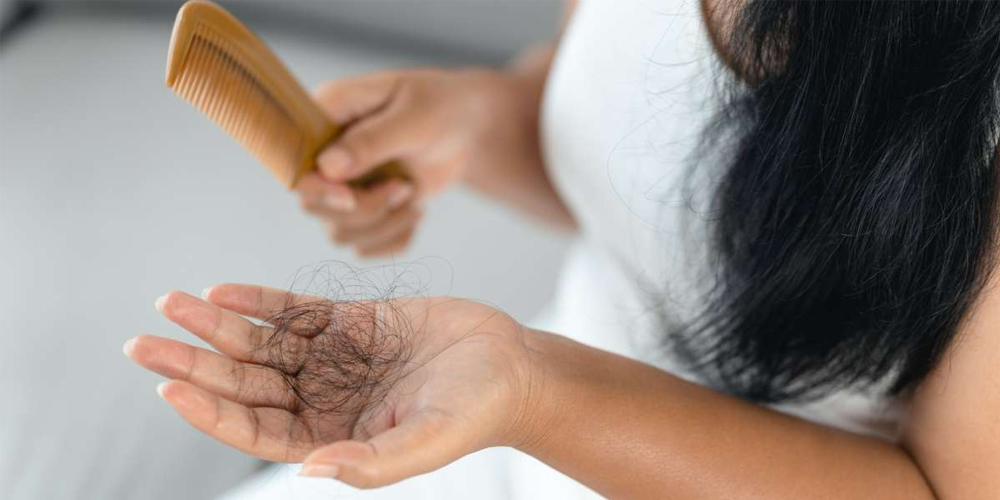
Telogen effluvium is a temporary shedding phase triggered by various stressors. It can occur after significant life events such as childbirth, surgery, nutritional deficiencies, severe illness, extreme emotional stress, or rapid weight loss. Unlike androgenetic alopecia, telogen effluvium is usually reversible.
- Symptoms and Triggers: Individuals with telogen effluvium often notice a sudden, noticeable increase in hair shedding a few months after the triggering event. This condition can be alarming, but it is essential to understand that it is typically temporary. Identifying the underlying cause is crucial for addressing the issue effectively.
- Managing Stress and Nutrition: Managing stress levels and maintaining a balanced diet can significantly impact the severity of telogen effluvium. Incorporating stress-reduction techniques such as yoga, meditation, or regular exercise can help mitigate the effects of emotional stress. Additionally, ensuring adequate intake of essential nutrients like iron, zinc, and vitamins can support hair health.
- Treatment Approaches: While telogen effluvium often resolves on its own, certain treatment approaches can expedite recovery. Topical minoxidil may be recommended to stimulate hair growth, while addressing any nutritional deficiencies through dietary changes or supplements can also be beneficial. Consulting with a healthcare professional can provide personalized guidance.
1.3. Other Types of Hair Loss
- Alopecia Areata: Alopecia areata is an autoimmune condition characterized by sudden, patchy hair loss. It occurs when the immune system mistakenly attacks hair follicles, leading to hair loss in specific areas. This condition can affect individuals of all ages and genders, and while it may resolve spontaneously, some cases can progress to more extensive hair loss.
- Scarring Alopecia: Scarring alopecia, or cicatricial alopecia, involves inflammation that damages hair follicles and replaces them with scar tissue. This irreversible condition can lead to permanent hair loss. Early diagnosis and treatment are critical to preventing further damage. Treatments may include anti-inflammatory medications and lifestyle adjustments.
- Traction Alopecia: Traction alopecia is caused by prolonged tension on the hair follicles due to tight hairstyles, such as braids, ponytails, or extensions. Over time, this tension can lead to hair loss, especially along the hairline. Prevention involves adopting looser hairstyles and giving the hair time to recover from tension.
2. Psychological Impact of Hair Loss in Women
2.1. Emotional Distress
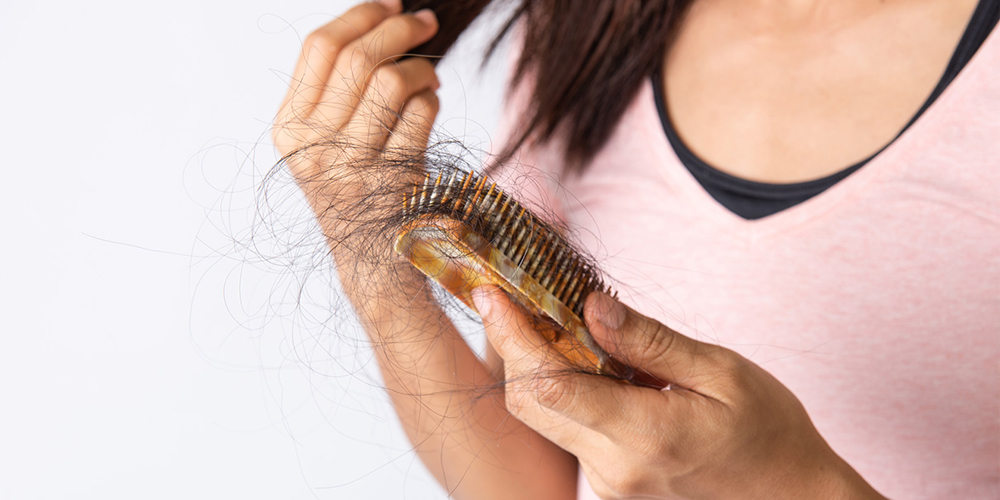
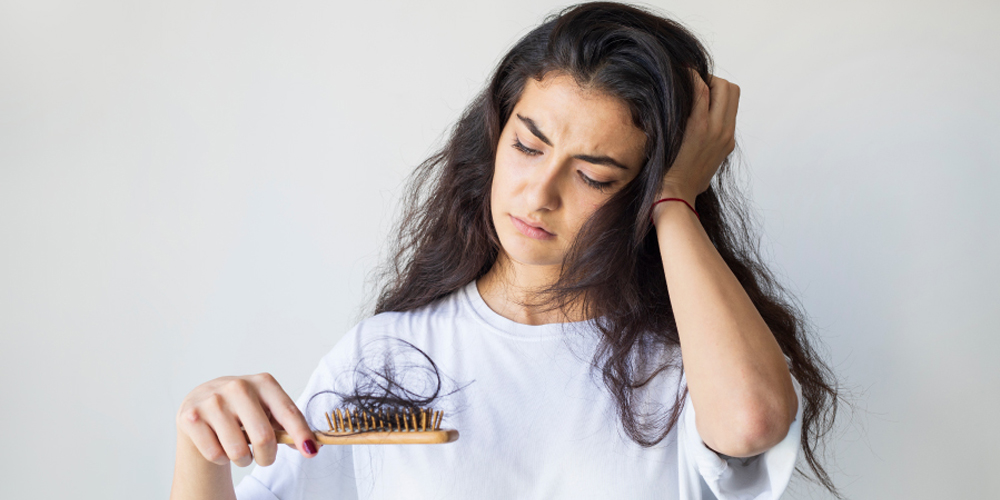
The psychological impact of hair loss in women can be profound. Many women associate their hair with beauty, femininity, and self-worth. Therefore, experiencing hair loss can lead to feelings of embarrassment, anxiety, and depression. The emotional toll can be exacerbated by societal pressures and unrealistic beauty standards.
2.2. Coping Strategies
Developing coping strategies is essential for managing the emotional distress associated with hair loss. Support groups, therapy, and open conversations with friends and family can provide valuable outlets for expressing feelings and seeking comfort. Additionally, exploring new hairstyles or wigs can empower women to embrace their changing appearance.
2.3. Building Self-Esteem
Building self-esteem in the face of hair loss requires a shift in perspective. Focusing on personal strengths, talents, and qualities beyond physical appearance can help women regain confidence. Engaging in activities that promote self-care and self-love, such as hobbies or fitness, can also contribute to improved mental well-being.
2.4 Seeking Professional Help
For women struggling with the psychological effects of hair loss, seeking professional help from therapists or counselors specializing in body image issues can be beneficial. Cognitive-behavioral therapy (CBT) has proven effective in helping individuals reframe negative thoughts and develop healthier coping mechanisms.
3. Lifestyle Changes and Home Remedies
3.1. Diet and Nutrition
A well-balanced diet plays a vital role in maintaining healthy hair. Nutrient deficiencies can contribute to hair loss, so it's essential to consume a variety of foods rich in vitamins and minerals. Foods high in protein, omega-3 fatty acids, iron, and biotin can support hair health and promote growth.
3.2. Stress Management Techniques
Implementing stress management techniques into daily routines can significantly impact hair health. Practices such as mindfulness meditation, deep breathing exercises, and yoga can reduce stress levels and promote relaxation. Regular physical activity also releases endorphins, which can improve mood and overall well-being.
3.3. Natural Remedies
Several natural remedies have been suggested to promote hair growth and prevent hair loss. Essential oils, such as rosemary and peppermint, are believed to stimulate hair follicles when massaged into the scalp. Additionally, aloe vera, coconut oil, and green tea have been used traditionally for their potential benefits in promoting hair health.
3.4. Hair Care Practices
Adopting gentle hair care practices can minimize damage and promote healthy hair growth. Avoiding excessive heat styling, harsh chemicals, and tight hairstyles can help protect hair from breakage. Regularly trimming split ends and using sulfate-free shampoos and conditioners can also contribute to overall hair health.

4. Medical Treatments and Interventions
4.1. Minoxidil
Minoxidil is an FDA-approved topical solution commonly used to treat androgenetic alopecia in women. It works by increasing blood flow to hair follicles, stimulating hair growth, and prolonging the growth phase of the hair cycle. Consistent application is necessary for optimal results, and it may take several months to see noticeable improvements.
4.2. Low-Level Laser Therapy (LLLT)
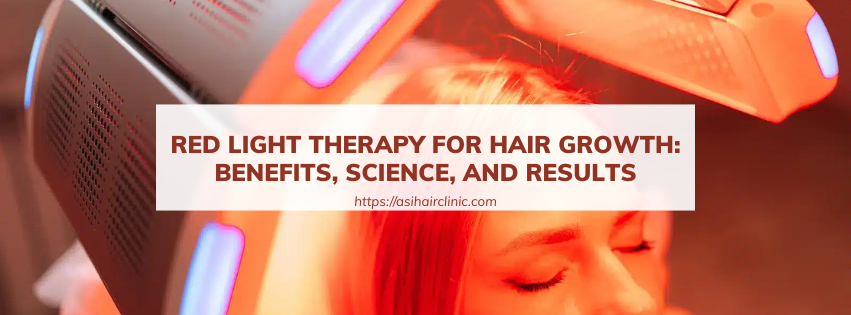
Low-level laser therapy is a non-invasive treatment option that uses red light wavelengths to stimulate hair follicles and promote hair growth. LLLT devices, such as laser combs or helmets, are designed for at-home use and have shown promising results in clinical studies. This treatment is generally safe and well-tolerated.
4.3. Platelet-Rich Plasma (PRP) Therapy
Platelet-rich plasma therapy involves drawing a small amount of the patient's blood, processing it to concentrate the platelets, and injecting it into the scalp. PRP contains growth factors that can stimulate hair follicles and promote regrowth. Multiple sessions may be required for optimal results, and patients should consult with a qualified practitioner.
4.4. Hair Transplant Surgery
In cases of advanced hair loss, hair transplant surgery may be considered. This procedure involves relocating hair follicles from donor sites (usually the back of the head) to areas experiencing thinning or baldness. While hair transplant surgery can yield natural-looking results, it requires careful consideration and consultation with a qualified surgeon.
Conclusion
Understanding hair loss in women is essential for addressing the emotional, psychological, and physical aspects of this challenging experience. By recognizing the diverse causes and types of hair loss, women can take proactive steps toward finding effective solutions. Whether through lifestyle changes, medical treatments, or emotional support, there are numerous avenues available for women to reclaim their confidence and embrace their unique beauty. With continued research and awareness, we can foster a more supportive environment for those navigating the complexities of hair loss.
#hairtransplant #hairloss #hairlossinwomen
LATEST POSTS