Is a Hair Transplant Procedure Safe?
The hair transplant procedure has gained significant popularity in recent years as an effective solution for those suffering from hair loss. This procedure involves removing hair follicles from one part of the body, usually the back of the scalp, and transplanting them to areas where thinning or balding has occurred. As more people consider this option, questions about safety and efficacy are becoming increasingly important.
In this article, we will explore the various aspects of the hair transplant procedure, focusing on its safety, potential risks, postoperative care, and the overall outcome one can expect. By delving into these areas, we aim to provide a comprehensive understanding that can help prospective patients make informed decisions.
1. Understanding the hair transplant procedure
To evaluate the safety of the hair transplant procedure, it is crucial first to understand what the process entails. This section will break down the standard methodologies used and offer insights into who is a suitable candidate.
1.1. Overview of the Process
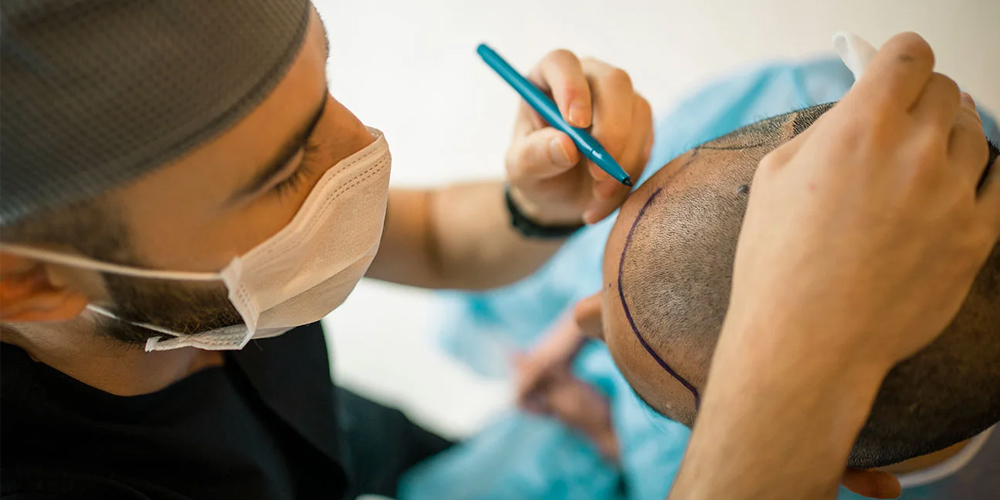
A hair transplant typically begins with an initial consultation where the surgeon assesses the patient’s hair loss pattern and discusses expected outcomes. There are two primary techniques: Follicular Unit Transplantation (FUT) and Follicular Unit Extraction (FUE).
In FUT, a strip of skin containing hair follicles is removed from the donor area, and then the individual follicular units are dissected under a microscope before being transplanted into the balding areas.
In contrast, FUE involves harvesting individual follicles directly from the scalp using a specialized instrument. This method is less invasive, leading to quicker recovery times and minimal scarring.
Regardless of the technique chosen, both methods primarily rely on the same principle: relocating healthy hair follicles to areas experiencing hair loss.
1.2. Who is a Suitable Candidate?
Determining whether someone is a good candidate for a hair transplant depends on various factors, including age, hair type, and overall health. Generally, individuals experiencing male or female pattern baldness are prime candidates.
Other conditions, like alopecia areata or scarring from injuries, might also qualify for the procedure. However, younger patients may be advised to wait until their hair loss stabilizes to ensure that they do not require further transplants in the future.
It's important for candidates to have realistic expectations about the results. A session often yields satisfying results, but full restoration is rarely achievable, especially in cases of extensive baldness. Consulting with a qualified surgeon can provide clarity on what to expect and whether the individual should proceed with the Hair Transplant Procedure.
1.3. Benefits of the Procedure
One major advantage of the hair transplant procedure is its permanence. Once hair follicles are transplanted, they generally continue to grow for a lifetime.
Additionally, the fact that the hair used in the procedure comes from the patient's own body significantly reduces the risk of rejection or adverse reactions.
Patients often report increased self-esteem and confidence following successful surgeries, which can enhance personal and professional relationships considerably.
However, it’s essential to remember that while there are benefits, there are also considerations concerning safety and potential complications-areas that we will explore in detail next.
2. Safety Considerations of the hair transplant procedure
When evaluating the safety of the hair transplant procedure, it is necessary to consider both the immediate risks and the long-term implications. This section will discuss the potential side effects, the importance of choosing a certified surgeon, and how to prepare for the procedure.
2.1. Potential Risks and Side Effects
Like any surgical procedure, the hair transplant procedure carries certain risks. Common side effects can include swelling, bruising, and discomfort at the donor site or transplant area.
There is also the possibility of infection, though this is relatively rare when proper surgical protocols are followed. Patients may also experience shock loss, where existing hair falls out temporarily after surgery; this is typically reversible.
Another concern is the potential for scarring, particularly with FUT. Although FUE minimizes scarring significantly, some patients may still develop noticeable marks depending on individual healing responses.
Understanding these risks is vital for anyone considering the procedure. Engaging with a healthcare provider can help manage expectations and prepare adequately for any adverse events.
2.2. The Importance of Choosing a Certified Surgeon
One of the most critical factors influencing the safety of the hair transplant procedure is the skill and expertise of the surgeon performing it.
Choosing a board-certified, experienced surgeon can minimize risks significantly. A qualified practitioner will conduct a thorough evaluation, outline potential risks, and suggest appropriate methods tailored to the patient's needs.
Moreover, asking for before-and-after photos from previous patients and perusing reviews can give insight into the surgeon's success rates and artistic skill. An expert will not only focus on the technical aspects but will also possess an eye for aesthetics, ensuring the transplanted hair integrates naturally with existing hair.
2.3. Preparing for the Procedure
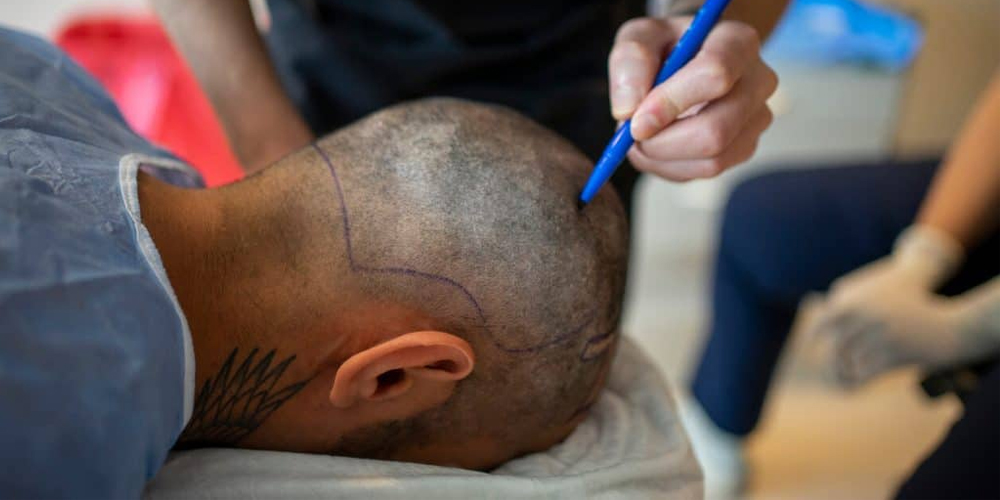
Preparation for the Hair Transplant Procedure plays a vital role in its overall success and safety. Prior to surgery, patients should engage in open discussions with their surgeons regarding their medical history, medication use, and lifestyle habits.
Surgeons often recommend stopping certain medications, such as blood thinners, to reduce the risk of bleeding during the operation. Additionally, avoiding alcohol and smoking in the days leading up to the procedure can promote better healing.
Post-operative instructions are equally crucial. Patients must adhere to guidelines regarding washing their hair, applying topical ointments, and attending follow-up appointments. Proper preparation can mitigate risks and enhance recovery.
3. Post-Operative Care and Recovery
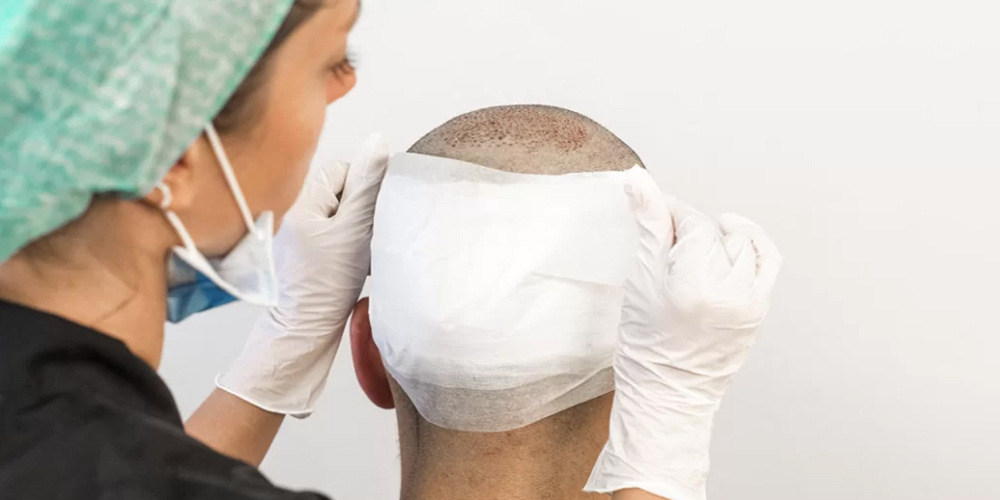
Successful recovery from a hair transplant procedure is contingent upon diligent post-operative care. This section will cover what to expect during the recovery phase and how to optimize results through effective self-care.
3.1. What to Expect After Surgery
Immediately post-surgery, patients may experience swelling, redness, and tenderness around the transplant sites. These symptoms typically subside within a few days, but patients should remain vigilant for any signs of infection or unexpected changes.
It’s not uncommon for newly transplanted hair to fall out within a couple of weeks-a phenomenon known as "shock loss." While unsettling, it is a normal part of the hair growth cycle, and new hair usually begins to emerge in several months.
Patients should expect to see gradual improvement over six months to a year, with full results often taking up to 18 months. Patience is key, as the final outcome may not be immediately visible.
3.2. Self-Care Tips for Optimal Recovery
Proper self-care following the hair transplant procedure is essential for optimal healing and achieving desired results.
For the first few days, patients should avoid physical exertion and activities that could risk sweating or irritation in the transplant area.
Keeping the head elevated while sleeping can also prevent swelling. Surgeons might recommend wearing a loose-fitting hat to protect the scalp from sun exposure and dirt.
In addition, gentle cleansing of the scalp is crucial. Patients should always follow their surgeon's recommendations regarding washing and caring for the newly transplanted hair. Using mild shampoos and avoiding harsh chemicals can help preserve the integrity of the hair follicles.
3.3. Monitoring for Complications
Although complications are rare, patients should remain vigilant after their hair transplant procedure. Signs of infection, such as excessive redness, pus, or fever, warrant prompt attention from a healthcare provider.
Additionally, if pain persists beyond the expected period or if abnormalities in hair growth occur, consulting the surgeon can help determine the best course of action.
Monitoring the healing process fosters peace of mind and ensures that any issues are addressed swiftly, preserving the investment made in the Hair Transplant Procedure.
4. Long-Term Results and Efficacy
Once the initial recovery phase has passed, it’s essential to assess the long-term results and effectiveness of the hair transplant procedure. This section will discuss realistic expectations regarding hair growth, the longevity of results, and additional treatments.
4.1. Realistic Expectations for Hair Growth
After undergoing a hair transplant procedure, it is crucial for patients to maintain realistic expectations about the outcomes.
Many factors influence hair growth, including genetics, age, and the extent of hair loss prior to the procedure.
While some individuals may enjoy a thick, full head of hair, others may experience subtler results. Open communication with the surgeon about personalized goals can help align patient expectations with achievable outcomes.
4.2. Longevity of Results
One of the key advantages of a hair transplant is its permanence. Once hair follicles are successfully transplanted, they typically retain their genetic characteristics and continue to grow throughout a person's life.
That said, ongoing hair loss in untreated areas may still occur, which can lead to varying degrees of density over time. Many patients opt for maintenance treatments or additional sessions to address any future thinning.
4.3. Additional Treatments and Maintenance
To enhance and prolong the results of a hair transplant procedure, many patients explore additional treatments. Options like low-level laser therapy are gaining popularity for promoting hair growth and improving hair thickness.
Furthermore, medications like minoxidil and finasteride can help manage ongoing hair loss and maintain existing hair health. Discussing these options with a healthcare provider can create a comprehensive approach to hair restoration.
Conclusion
In summary, the hair transplant procedure presents a compelling option for individuals grappling with hair loss. While it comes with inherent risks and potential complications, the safety of the procedure largely hinges on careful selection of a qualified surgeon, thorough pre-operative preparation, and diligent post-operative care.
Ultimately, understanding the nuances of the procedure-from its methodologies and risks to expected outcomes-can empower individuals to make informed decisions about their hair restoration journey. With realistic expectations and commitment to recovery, many patients can enjoy the lasting benefits of a fuller head of hair, enhanced self-esteem, and improved quality of life.
LATEST POSTS