Hair loss: Treatment and causes of alopecia areata
Hair loss is a pressing concern that touches the lives of millions around the globe, often leading to emotional turmoil and diminished self-esteem. One of the most enigmatic forms of hair loss is alopecia areata, an autoimmune disorder characterized by sudden patches of hair loss. Understanding the treatment and causes of alopecia areata can help those affected navigate this challenging condition, promoting a path toward healing and self-acceptance.
Alopecia areata presents itself in various ways, impacting not just the scalp but potentially affecting facial hair and body hair as well. This article dives deep into the complexities associated with alopecia areata-its symptoms, diagnosis, and the multitude of treatment options available. Armed with this knowledge, individuals grappling with this unpredictable condition can reclaim a sense of control over their lives.
1. Understanding the Mechanisms of Alopecia Areata
Before diving deeper into the treatment and causes of alopecia areata, it is crucial to comprehend the underlying mechanisms that contribute to this condition. Alopecia areata is documented as an autoimmune disorder wherein the body's immune system mistakenly attacks its own healthy cells-in this case, hair follicles. This misdirected response leads to hair shedding and the emergence of bald patches.
1.1. The Autoimmune Response
The crux of alopecia areata lies in its classification as an autoimmune disease. The immune system, designed to defend against external threats such as viruses and bacteria, unfortunately turns against the body's own tissues.
When alopecia areata manifests, immune cells infiltrate the hair follicles, inciting inflammation. This inflammatory environment disrupts the normal hair growth cycle, leading to the sudden onset of hair loss.
Recent studies have indicated that specific T-cells play a pivotal role in this process. These T-cells, once mobilized, target the hair follicles for destruction. As a result, the hair growth phase (anagen) is interrupted, leading to the cessation of hair production. This autoimmune attack can occur at any point in life, regardless of age or gender, making it a mysterious condition for many.
1.2. The Genetic Component
Genetics also plays a significant role in the development of alopecia areata. Research indicates a familial predisposition to this condition, suggesting that individuals with a family history of autoimmune disorders are at a higher risk for developing alopecia areata themselves.
Genes involved in immune regulation are particularly relevant in this context. Genetic markers linked to autoimmune conditions might be shared among family members, highlighting the importance of hereditary factors. Though having a predisposition does not guarantee the development of alopecia areata, it underscores the complexities of its etiology.
1.3. Environmental Triggers
In addition to genetic influences, environmental factors have been implicated in triggering the onset of alopecia areata. Stress, infections, and even certain medications may serve as catalysts for the disease.
Stressful events, such as a death in the family, job loss, or relationship issues, can lead to physiological changes that weaken the immune system. Similarly, infections, whether viral or bacterial, can instigate an inflammatory response that could worsen or trigger the condition.
This intricate interplay between genetics and environment creates a unique landscape for each individual facing alopecia areata, making a one-size-fits-all approach to treatment impossible.
2. Symptoms and Diagnosis of Alopecia Areata
Understanding the symptoms and obtaining a timely diagnosis of alopecia areata can significantly impact treatment outcomes. Early intervention can help halt the progression of hair loss and enhance the chances of regrowth.
2.1. Identifying Symptoms
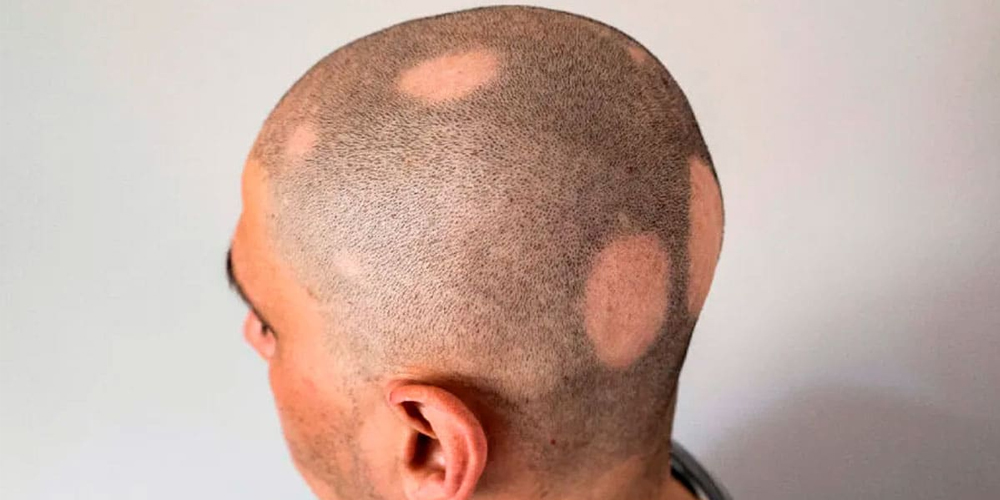
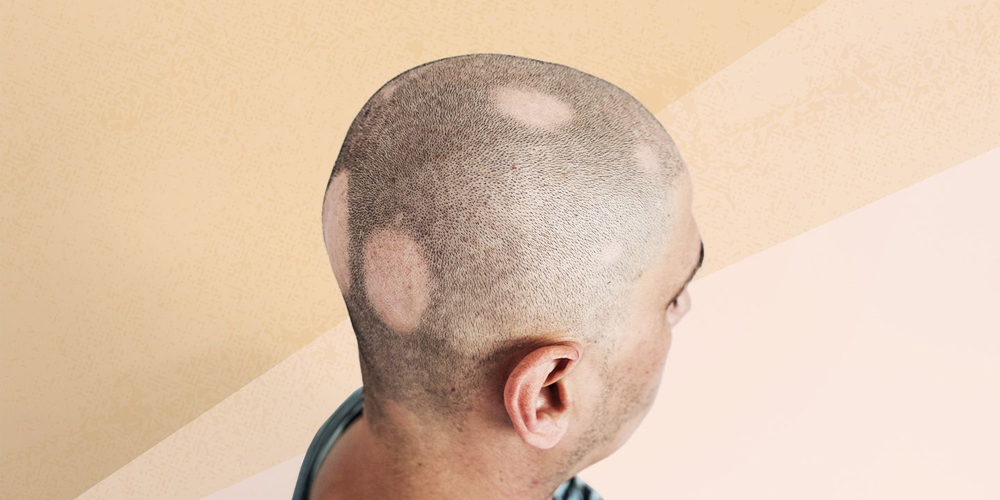
The hallmark symptom of alopecia areata lies in the sudden appearance of round or oval patches of hair loss, primarily on the scalp. These patches can vary in size and may also affect other areas, including the beard, eyebrows, and eyelashes.
In conjunction with hair loss, some patients report accompanying symptoms that can vary widely. For instance:
- Scalp Itching: Many individuals experience itching or a tingling sensation in the area before the bald patches appear. This can sometimes signal an impending episode of hair loss.
- Nail Changes: Some individuals may note alterations in their nails, which can become brittle, pitted, or ridged. Nail abnormalities can serve as additional indicators of the condition.
- Psychological Distress: Emotional symptoms should not be overlooked. The unpredictable nature of alopecia areata can lead to anxiety, depression, and feelings of social isolation. Individuals may struggle with their self-image, finding it difficult to cope with their changing appearance.
2.2. Diagnostic Process
The diagnostic process for alopecia areata typically begins with a thorough examination of the scalp and hair. Dermatologists will assess the pattern of hair loss and take a detailed medical history to identify potential triggers.
Visual inspection is often sufficient for diagnosis; however, in certain cases, a scalp biopsy may be performed to rule out alternative conditions that could cause hair loss. This biopsy involves extracting a small sample of the scalp skin for microscopic evaluation, helping to confirm the diagnosis and exclude other dermatological issues.
It's essential for individuals experiencing unexplained hair loss to seek professional guidance promptly. An accurate diagnosis can pave the way for appropriate treatment, allowing for better management of the condition.
3. Exploring Treatment Options for Alopecia Areata
While there is currently no definitive cure for alopecia areata, numerous treatment options exist aimed at managing symptoms, reducing inflammation, and promoting hair regrowth. Each individual's response to treatment may vary, necessitating a specialized approach tailored to their unique circumstances.
3.1. Topical Treatments
Topical treatments offer a non-invasive method to address alopecia areata. These applications can reduce inflammation directly at the site of hair loss, fostering faster regrowth.
- Corticosteroids: Corticosteroid creams, lotions, or ointments are commonly prescribed to decrease inflammation and suppress the immune response. The medication works on a local level, which minimizes systemic side effects. Regular application of corticosteroids can lead to positive outcomes, particularly when used during the early stages of hair loss.
- Minoxidil: Commonly known by its brand name Rogaine, minoxidil is another topical treatment gaining traction among those with alopecia areata. Although originally developed for androgenetic alopecia, some studies suggest that minoxidil can stimulate hair growth in mild cases of alopecia areata as well.
Using minoxidil can promote blood circulation within the scalp, enriching hair follicles with nutrients and oxygen necessary for healthy growth.
3.2. Injections
Intralesional injections offer a more aggressive approach to treating localized hair loss. Administering medication directly into the affected areas can facilitate quicker and more effective results.
- Corticosteroid Injections: Injecting corticosteroids into the bald patches provides targeted relief from inflammation. This approach is usually reserved for smaller areas of hair loss and has proven beneficial for many individuals in encouraging regrowth.
- Other Immunosuppressants: In certain cases, immunosuppressant injections like methotrexate or azathioprine may be employed to manage alopecia areata. These medications work by dampening the immune response and reducing inflammation, making them suitable for individuals with more extensive hair loss.
3.3. Oral Medications
For individuals experiencing widespread hair loss, oral medications may provide a more comprehensive solution.
- Oral Corticosteroids: Administering corticosteroids in pill form can help manage inflammation throughout the body. While they can be effective, healthcare providers often exercise caution due to potential side effects associated with long-term use.
- Immunosuppressants: Medications such as cyclosporine and mycophenolate mofetil can also aid in treating severe cases of alopecia areata. Similar to injectable options, these medications target the immune system's hyperactivity.
3.4. Phototherapy and Alternative Treatments
Emerging therapies continue to redefine the treatment landscape for alopecia areata, offering hope to those seeking alternatives beyond traditional pharmaceuticals.
- Ultraviolet B (UVB) Therapy: UVB light therapy is increasingly recognized for its ability to reduce inflammation and stimulate hair growth. The treatment involves exposing the scalp to controlled doses of UVB light, either in a clinical setting or with at-home devices.
- Anthralin: A topical medication derived from the plant chrysarobin, anthralin can help reduce inflammation while stimulating hair growth. While slightly less common than corticosteroids, it remains a viable option for some individuals.
- DPCP: Diphenylcyclopropenone is a contact sensitizer applied to areas of hair loss, inducing an immune response that can encourage hair regrowth. This innovative treatment requires careful monitoring by a medical professional but has shown promise in many cases.
- Biologics: The newest class of treatment options includes JAK inhibitors like tofacitinib and ruxolitinib, which specifically target components of the immune response involved in alopecia areata. Initial clinical trials indicate that these biologics hold great promise for effectively managing the condition.
Conclusion
In conclusion, understanding the treatment and causes of alopecia areata is vital for anyone affected by this perplexing condition. While a complete cure remains elusive, numerous treatment options, ranging from topical medications to emerging therapies, exist to help manage hair loss. Equally important is addressing the emotional impact of alopecia areata, emphasizing the significance of support systems and coping strategies in achieving a better quality of life.
If you or someone you know is struggling with alopecia areata, reaching out to a dermatologist or healthcare provider is paramount. With proper diagnosis and tailored treatment plans, many individuals can enjoy periods of remission and witness hair regrowth. Embracing the journey, both physically and emotionally, paves the way for resilience and acceptance in the face of challenges posed by alopecia areata.
LATEST POSTS