5 Common Hair Care Mistakes and How to Fix Them
Effective hair care is essential for maintaining healthy, vibrant hair. Unfortunately, many people unknowingly make common mistakes that can harm their locks instead of helping them thrive. From improper washing techniques to neglecting the use of heat protection, these errors can lead to damaged, dull, or frizzy hair. In this article, we will explore five of the most prevalent hair care mistakes and provide practical solutions to help you achieve luscious, beautiful hair.
1. Over-Washing Your Hair: The Hidden Consequences
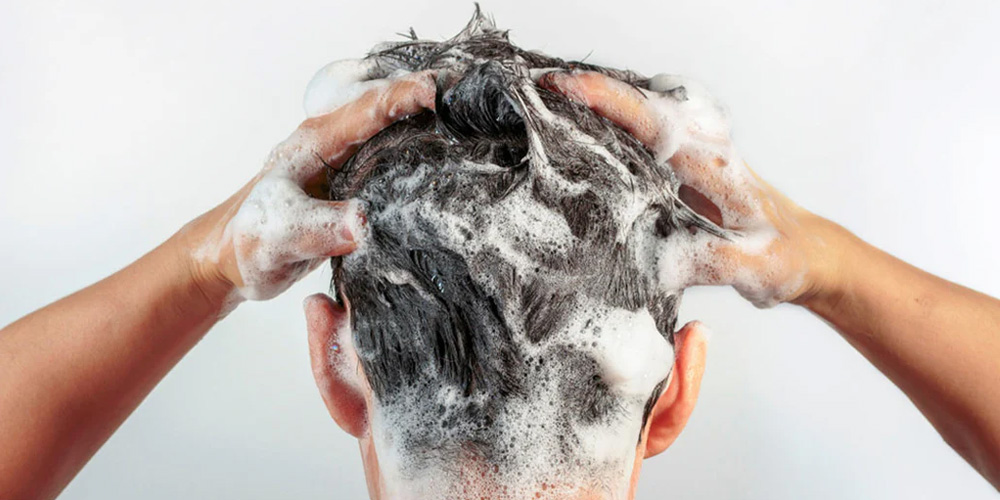
One of the most frequent pitfalls in hair care routines is over-washing. While it may seem logical to wash your hair daily to keep it clean and fresh, doing so can strip your hair of its natural oils, leading to dryness and brittleness.
1.1. Understanding Your Hair Type
Different hair types have varying needs when it comes to washing.
For instance, oily hair often requires more frequent cleansing than dry or curly hair. People with fine hair may feel the need to wash their hair daily, whereas individuals with thick, coarse, or curly hair might find that washing just once or twice a week is sufficient. Recognizing your hair type is the first step in ensuring that you're not over-washing.
Daily shampooing can lead to an imbalance in the scalp's natural oil production. When you strip away these essential oils, your scalp sends signals to produce more oil, resulting in an ongoing cycle of greasiness and excessive washing. The key is to adjust your washing frequency according to your hair type and lifestyle.
1.2. Choosing the Right Shampoo
If you've determined that you need to wash less frequently, consider switching to a milder shampoo.
Look for sulfate-free options that are gentle on the hair and scalp. Sulfates can be very harsh, stripping away too much oil and moisture. By using a mild shampoo, you can cleanse your hair without subjecting it to the damaging effects of strong chemicals.
Additionally, cleansing conditioners can be a great alternative. These products allow you to cleanse while also providing moisture, thus protecting your hair's natural oils.
1.3. Establishing a Washing Routine
Establishing a washing routine customized to your hair type is vital for maintaining healthy hair.
If you typically wash your hair every day, try gradually increasing the intervals between washes. Start by skipping one day per week and see how your hair responds. You could also incorporate dry shampoo on non-wash days to absorb excess oil and give your hair a fresher appearance.
It’s important to listen to your hair. If it starts to feel greasy or heavy, adjust your routine accordingly. Proper washing habits can dramatically transform the health and look of your hair.
2. Not Using Heat Protection: A Recipe for Disaster
Heat styling tools like curling irons, straighteners, and blow dryers can do wonders for your hairstyle, but failing to use heat protection can wreak havoc on your hair.
2.1. The Damage Caused by Heat
Heat can dehydrate and damage hair.
The high temperatures cause the protective cuticle layer to break down, resulting in split ends, breakage, and overall unhealthy hair. Regular exposure to heat without protection can lead to irreversible damage.
Personal anecdotes reveal that many individuals underestimate the importance of heat protection. It is often neglected in favor of achieving a desired style quickly. However, taking a few extra moments to apply a heat protectant spray can save your hair from long-term harm.
2.2. Selecting the Right Heat Protectant
When choosing a heat protectant, look for ingredients that create a barrier against heat while also nourishing the hair.
Products containing silicones can provide a protective layer and help to smooth the hair. Additionally, look for those enriched with natural oils such as argan or coconut oil, which can aid in hydration.
Be sure to apply the product evenly through damp hair before styling. This ensures comprehensive coverage and maximum protection against heat damage.
2.3. Incorporating Heat-Free Styling Techniques
Another way to mitigate heat damage is to explore heat-free styling techniques.
Techniques such as braiding damp hair for waves or utilizing foam rollers can create beautiful styles without exposing your hair to damaging heat. Embracing these methods can diversify your hairstyling routine while keeping your hair healthy.
Moreover, try to reduce the frequency of heat styling. Giving your hair breaks can significantly improve its overall health. Consider designating certain days as “no-heat” days, allowing your hair time to recover and rejuvenate.
3. Skipping Conditioner: A Misguided Shortcut
Many people think that skipping conditioner will keep their hair from looking greasy or weighed down. However, neglecting this crucial step in your hair care regimen can lead to dry, tangled hair that's difficult to manage.
3.1. The Role of Conditioner
Conditioner plays a vital role in your hair care routine.
It provides essential moisture, helping to detangle and protect your hair from environmental damage. Skipping conditioner can result in rough, brittle strands that are prone to breakage. Especially for those with colored or chemically treated hair, conditioner is indispensable for maintaining softness and elasticity.
It is a common misconception that only those with oily hair need to forego conditioner. In reality, all hair types can benefit from conditioning. Opting out leads to a disservice to your hair.
3.2. Finding the Right Conditioner for Your Hair Type
Just as with shampoos, finding the appropriate conditioner tailored to your hair type is critical for achieving optimal results.
Those with fine hair should opt for lightweight conditioners that won't weigh hair down. Conversely, thicker, curlier hair types often benefit from richer formulas that provide added moisture and nourishment.
It's worth experimenting with different brands and formulations to see what works best for you. Sometimes, it may take a few tries before landing on the perfect product.
3.3. Conditioning Techniques for Maximum Benefit
Incorporating effective conditioning techniques can elevate your hair care game.
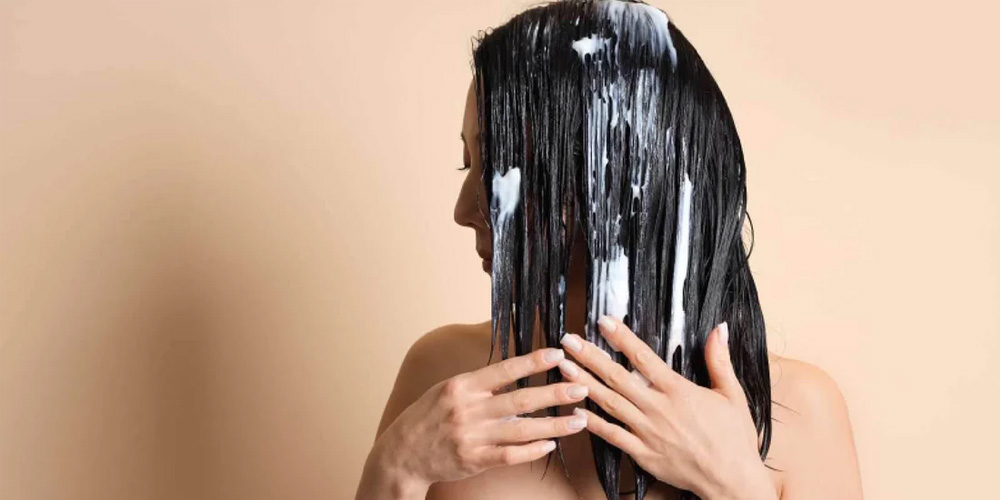
Consider applying conditioner to your hair mid-length to ends, avoiding the scalp area to prevent excess oil buildup. Allow the conditioner to sit for a few minutes to ensure maximum absorption.
For an extra boost of hydration, try deep conditioning treatments once a week. These intensive treatments penetrate the hair shaft, replenishing moisture and enhancing shine. You can even DIY a deep conditioner using natural ingredients like honey or avocado for a nourishing treatment.
4. Ignoring Scalp Health: The Foundation of Gorgeous Hair
The health of your scalp is integral to the well-being of your hair. Unfortunately, many people overlook this fundamental aspect of hair care, focusing solely on the lengths and ends of their hair.
4.1. Why Scalp Health Matters
An unhealthy scalp can lead to various issues, including dryness, itchiness, and even hair loss.
Improper care can disrupt the scalp's natural balance, leading to flakiness and irritation. Addressing scalp health is crucial for creating a solid foundation for hair growth and maintaining overall hair vitality.
Neglecting your scalp is akin to ignoring the roots of a plant. Healthy roots contribute to the flourishing of the entire plant, and likewise, a healthy scalp fosters strong, resilient hair.
4.2. Scalp Exfoliation and Cleansing
Just as you exfoliate your skin to remove dead cells, your scalp also benefits from exfoliation.
Incorporate a gentle scalp scrub into your routine to remove product buildup and dead skin cells. This can enhance circulation and promote healthier hair growth.
Additionally, consider using specialized scalp treatments designed to address specific concerns, such as dryness or dandruff. These treatments can help restore balance and nourish the scalp, leading to improved hair health.
4.3. Nourishing the Scalp
Once you've established a healthy cleansing routine, don't forget to nourish your scalp.
Look for serums or oils that are rich in vitamins and essential fatty acids. Massaging these products into your scalp can stimulate blood flow and encourage healthy hair growth.
Furthermore, practicing good hygiene, such as changing pillowcases regularly, can prevent dirt and bacteria from accumulating on your scalp, supporting overall health.
5. Neglecting Regular Hair Trims: A Costly Error
Many believe that growing out their hair means skipping regular trims. However, neglecting to trim your hair regularly can lead to damaged ends and hinder your hair growth goals.
5.1. Why Regular Trims Matter
Regular trims are essential for maintaining healthy hair.
Cutting off split ends and damage prevents further deterioration up the hair shaft. In doing so, you allow your hair to grow stronger and healthier.
Thinking that letting your hair grow without trimming is a cost-effective choice is shortsighted. The longer you wait to address splits and breaks, the more you'll ultimately need to cut off later, leading to a more drastic change in length.
5.2. Frequency of Trims
While the recommended frequency of trims varies among individuals, a general guideline suggests visiting your stylist every six to eight weeks.
This timeline allows you to maintain your desired shape while preventing significant breakage. If you're actively trying to grow your hair, communicate that with your stylist, who can tailor a trimming schedule that suits your goals.
5.3. DIY Trimming Tips
If visits to the salon are infrequent due to budget or time constraints, there are ways to manage trims at home.
With a sharp pair of scissors, you can carefully snip off any visible split ends. Be sure to research proper techniques to avoid uneven cuts and potential further damage.
DIY trimming can serve as a temporary fix between salon visits, but it’s important to know that professional advice is invaluable for maintaining hair health.
Conclusion
In summary, maintaining a successful hair care routine involves avoiding common pitfalls that can jeopardize the health of your hair. From over-washing and neglecting conditioner to overlooking scalp health and avoiding regular trims, understanding these mistakes can transform your approach to hair care.
By incorporating the suggested fixes, you can nurture your hair and achieve the healthy, vibrant locks you desire. Remember, successful hair care requires patience, commitment, and a willingness to adapt your routine to suit your unique hair type and needs. With the right knowledge and practices, achieving gorgeous hair is not just possible; it's within your reach.
LATEST POSTS