The Advantages of the DHI Hair Transplant Method
The DHI Hair Transplant method is an innovative approach to hair restoration that has gained significant popularity over the past few years. Unlike traditional hair transplant techniques, DHI offers a more refined process that can lead to superior results, minimizing discomfort and recovery time for patients. This article explores the various advantages of the DHI Hair Transplant method, shedding light on its unique features and benefits.
1. Understanding the DHI Hair Transplant Method
Before delving into the advantages of DHI, it is crucial to understand what this method entails. The Direct Hair Implantation (DHI) technique is a form of follicular unit extraction (FUE), where individual hair follicles are removed from the donor area and directly implanted into the recipient area. This differs from other methods where follicles may be stored temporarily before implantation. The efficiency and precision involved in DHI lead to better outcomes for individuals seeking to restore their hair.
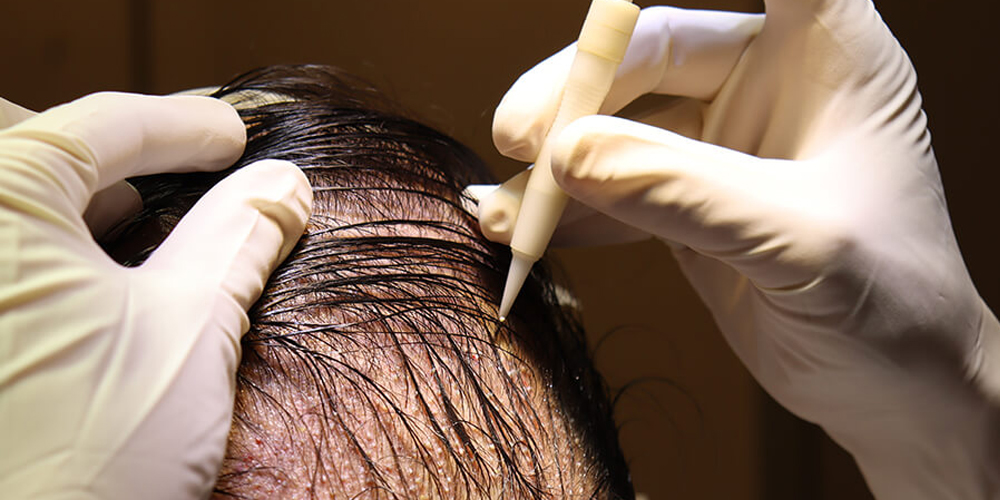
The DHI method employs the use of a specialized tool called the Choi Implanter Pen. This pen facilitates the simultaneous extraction and implantation of hair follicles. Due to this unique aspect, only one person is involved in the entire process, enhancing the consistency and quality of the transplant.
2. Reduced Trauma to the Scalp
One of the standout advantages of the DHI Hair Transplant method is its ability to minimize trauma to the scalp, leading to a quicker recovery and less postoperative pain.
2.1. Gentle Extraction Process
In DHI, the extraction of hair follicles is carried out using a precise tool that enables surgeons to remove hair without causing extensive damage to surrounding tissues. Traditional methods often involve larger incisions or slits, which can result in significant trauma to the scalp. In contrast, DHI's gentler technique reduces the likelihood of complications such as swelling and bleeding.
This reduced trauma not only aids in faster healing but also lowers the risk of infection, a common concern with invasive surgical procedures. Patients who undergo DHI often report that they experience far less discomfort during the recovery phase than those who opt for traditional hair transplant methods.
2.2. Fast Recovery Time
Another advantage of reduced trauma is the expedited recovery time associated with the DHI procedure. Many patients find themselves returning to their daily activities within days after surgery. This is particularly appealing to those with busy lifestyles who cannot afford extended downtime.
The decreased trauma translates to fewer follow-up appointments and a more straightforward recovery process. This allows individuals to enjoy their new hair sooner rather than later, enhancing overall satisfaction with the procedure.
3. Improved Hair Density and Aesthetics
The DHI Hair Transplant method not only excels in comfort but also offers impressive outcomes in terms of hair density and aesthetics.
3.1. Natural-looking Results
Among the primary concerns for anyone considering hair restoration is achieving a natural appearance post-transplant. DHI significantly enhances the aesthetic outcome by allowing the surgeon to control the depth, angle, and direction of each implanted follicle.
With the help of the Choi Implanter Pen, hair follicles can be placed at the correct angle to mimic natural hair growth patterns. This meticulous placement ensures that the final result blends seamlessly with existing hair, resulting in a fuller and more natural look.
Moreover, because the follicles are implanted immediately after extraction, there’s minimal risk of tissue degradation, ensuring that the hair grows in its natural form without any signs of artificiality.
3.2. Higher Hair Density
Patients often desire thick, voluminous hair, and DHI delivers on this front as well. The method allows for the implantation of follicles closer together compared to traditional methods. By maximizing the density of the transplanted hair, patients achieve a fuller appearance that is often difficult to attain through conventional techniques.
The higher density achieved through DHI means that even if a patient has limited donor hair available, they can still achieve satisfactory results. This factor is crucial for those suffering from advanced stages of hair loss, where donor hair is scarce.
4. Non-invasive Nature of DHI
The non-invasive characteristics of the DHI Hair Transplant make it a compelling choice for many individuals looking to restore hair with minimal interruptions to their lives.
4.1. No Surgical Scars
Unlike traditional hair transplant methods that typically leave linear scars on the scalp, DHI does not produce visible scars, making it an ideal option for those who want to maintain short hairstyles. The extraction method used in DHI results in tiny puncture wounds that heal quickly and become nearly invisible over time.
This non-invasive nature provides patients with peace of mind, knowing that they can continue with their normal grooming habits without worrying about unsightly scars.
4.2. Minimal Pain and Discomfort
Patients often express concerns about pain and discomfort associated with surgical procedures. However, DHI minimizes these issues extensively. The use of local anesthesia during the procedure ensures that patients experience little to no pain while undergoing hair restoration.
Post-operative discomfort is also notably lower, as patients do not deal with extensive wounds or recovery periods involving painful stitches. This appeal makes DHI particularly attractive to those who have previously avoided hair restoration due to fears of pain or long recovery times.
5. Tailored Treatment Plans and Customer Care
A key advantage of the DHI Hair Transplant method lies in the personalized treatment plans and comprehensive care patients receive throughout the process.
5.1. Customized Approach
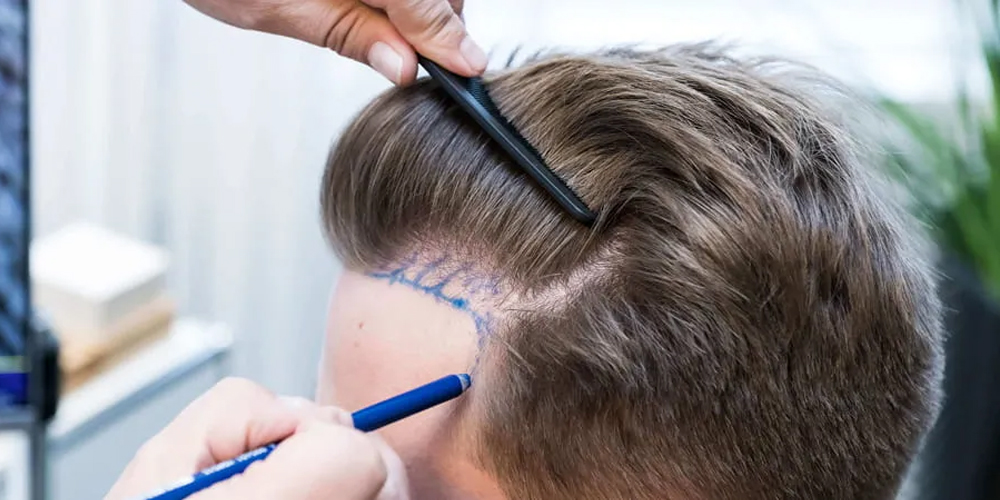
Every individual’s hair loss situation is unique, necessitating a tailored approach to treatment. During the initial consultation, skilled professionals assess the degree of hair loss, the state of the donor area, and the patient’s goals. Based on this evaluation, a customized plan is developed to ensure optimal results.
This personalized strategy is pivotal for success. It considers factors like the patient's age, hair type, and facial structure, leading to a more effective and pleasing outcome.
5.2. Ongoing Support and Guidance
Comprehensive care extends beyond the procedure itself. Following a DHI transplant, patients receive thorough guidance on post-operative care, helping them navigate the recovery process smoothly. Education on how to care for the newly transplanted hair is provided, ensuring that patients understand what to expect as their hair begins to grow back.
This level of support fosters a strong relationship between the patient and the medical team, which can be immensely reassuring. Knowing they have experts to turn to during their journey instills confidence and promotes a sense of community among patients.
Conclusion
In summary, the DHI Hair Transplant method offers numerous advantages that make it a preferred choice for individuals seeking effective hair restoration solutions. Its reduced trauma to the scalp, enhanced aesthetics, non-invasive nature, and personalized care contribute to a highly satisfying experience for patients. As technology continues to advance and new methodologies emerge, DHI stands out as a leader in the field of hair transplants, providing hope and confidence to those struggling with hair loss.
Considering its multifaceted benefits, the DHI Hair Transplant method isn’t just a clinical procedure; it’s a transformative experience that revitalizes not only hair but also self-esteem and personal identity.
LATEST POSTS