How long do male hair transplants last?
Male hair transplants have become increasingly popular as a solution for men experiencing hair loss due to factors like genetics, age, or medical conditions. This procedure involves surgically transplanting hair follicles from a donor area (typically the back or sides of the head) to the balding or thinning areas. The results can be remarkable, restoring a fuller, more youthful appearance. However, a common question that arises is: how long do these hair transplants last? This article delves into the longevity of male hair transplants, exploring factors influencing their lifespan and providing insights into what you can expect from this transformative procedure.
1. Understanding the Longevity of Male Hair Transplants
The beauty of male hair transplants lies in their potential for long-lasting results. The transplanted hair follicles are genetically resistant to the hormones that cause male pattern baldness, meaning they are less likely to fall out over time. However, it's crucial to understand that this doesn't guarantee a permanent solution, and various factors can influence the longevity of the transplanted hair. The longevity of male hair transplants is typically measured in terms of the transplanted hair follicles' ability to survive and continue growing naturally. This outcome is influenced by several interconnected factors, including the quality of the surgical procedure, the patient's overall health and genetics, and proper post-operative care. While the growth of new hair may take some time after the transplant, if the transplanted follicles are successfully integrated into the recipient area, they will continue to produce new hair throughout the patient's life.
1.1. The Permanence of Transplanted Hair
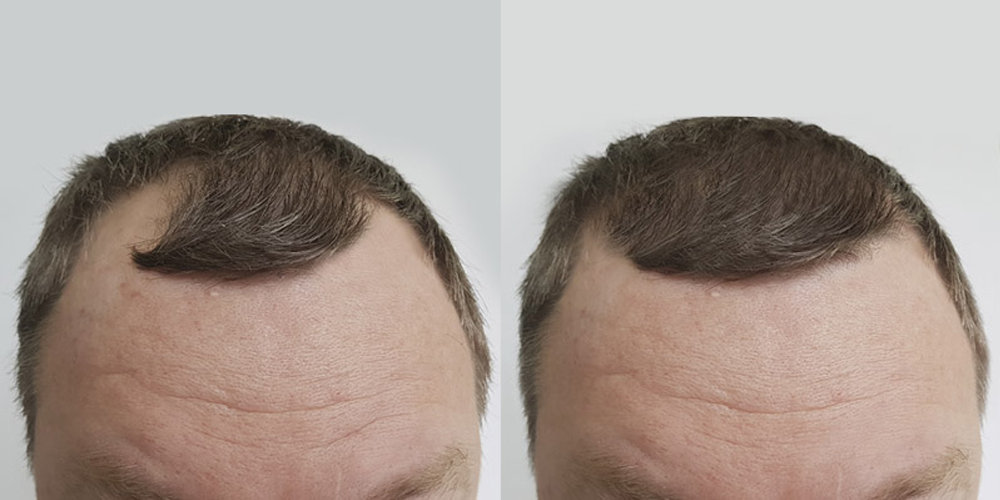
When hair follicles are transplanted from the donor area to the recipient area, they essentially retain their genetic resistance to Dihydrotestosterone (DHT), a hormone that contributes significantly to male pattern baldness. This resistance is a core component of why these procedures can be so effective in restoring hair growth and preserving it for an extended period. This means that if you experience further hair loss in areas not treated by the transplant, the transplanted hair itself will generally remain because it is not impacted by these factors. The transplanted hair will go through the normal hair growth cycle of anagen (growth), catagen (transition), and telogen (resting), and will continue to grow. While it may not remain at its thickest point forever, the results of a successful procedure will typically last for decades.
1.2. Factors Influencing Hair Transplant Longevity
The success of a hair transplant and its lifespan depend on various factors. The quality of the surgeon's skills is crucial, as a meticulous procedure using advanced techniques improves the success rate. Similarly, the patient's health and healing capabilities play a significant role. Conditions such as diabetes or autoimmune diseases might increase the risk of complications and impact the hair transplant's longevity. Moreover, lifestyle choices, like smoking and excessive alcohol consumption, can hinder the healing process and compromise the long-term results. The hair transplant's longevity is not solely determined at the time of the procedure-post-operative care and continued compliance with a healthy lifestyle are critical for ensuring the lasting benefits of the procedure.
1.3. The Role of Genetics in Hair Transplant Outcomes
Genetics play a significant role in the outcome and longevity of male hair transplants. Though the hair follicles transplanted from the donor area are resistant to DHT, individual genetic predispositions can still influence the hair's overall health and growth. For instance, if a patient has a strong genetic predisposition to thinning or baldness in specific areas, even the transplanted hair might experience some level of thinning or loss over time, although the results will likely be slower, less significant, and the hair will likely continue to grow. Understanding the genetic factors involved in male-pattern baldness can help one make informed decisions about transplant procedures and management expectations. The patient's genetic makeup is arguably the biggest factor in influencing the overall outcome of the transplant. Understanding one's predispositions helps to fine-tune expectations and adjust lifestyle choices to provide the best possible environment for the transplanted hair to thrive.
2. The Procedure: From Follicular Unit Extraction to Implantation
The longevity of male hair transplants is intimately connected to the surgical steps involved. The quality of the extraction and implantation techniques, the expertise of the surgical team, and the meticulousness of each stage significantly impact the overall success and long-term outcome. From meticulous harvesting to precise placement, surgical excellence is paramount to achieving natural-looking and long-lasting results. Different surgical techniques can influence the success rate and appearance, but all aim to prioritize the health and viability of the transplanted follicular units. Knowing what happens during this procedure provides a deeper understanding of the procedure and the potential for long-term success.
2.1. Follicular Unit Extraction (FUE)
The most common technique currently is FUE (Follicular Unit Extraction). This method involves extracting individual hair follicles from the donor area using a small, specialized punch. The procedure is generally less invasive than FUT (Follicular Unit Transplantation). FUE requires careful precision and skill, as the surgeon needs to isolate each follicular unit and gently remove it without damaging the surrounding tissue. During the extraction process, the physician must be meticulous in selecting the follicles to be harvested with a goal of preserving their integrity and minimizing trauma. While the process of extracting the follicular units is time-consuming, it allows for highly natural-looking results. With FUE, the incisions heal very well and the appearance of scarring is considerably reduced (even minimized).
2.3. Recipient Site Preparation and Implantation
After extracting the follicular units, the recipient area, where the hair is to be transplanted, is carefully prepared. Small incisions are created within the recipient area to accommodate the transplanted follicular units. These incisions are designed to mimic the natural growth angle and density of the existing hair. The follicular units are then carefully inserted into these recipient sites, ensuring they are placed at the optimal angle and depth. The implantation process is a delicate and complex one, demanding precision and skill from the surgical team. The angle and direction the follicular units are placed in the recipient site are significant factors in ensuring a natural and aesthetic outcome. In fact, this step is crucial to achieving a natural-looking result. A skilled surgeon will be able to replicate the patient's natural hair growth pattern, leading to a harmonious, visually appealing transition between the existing hair and transplanted hair.
2.4. Post-Operative Care and Healing
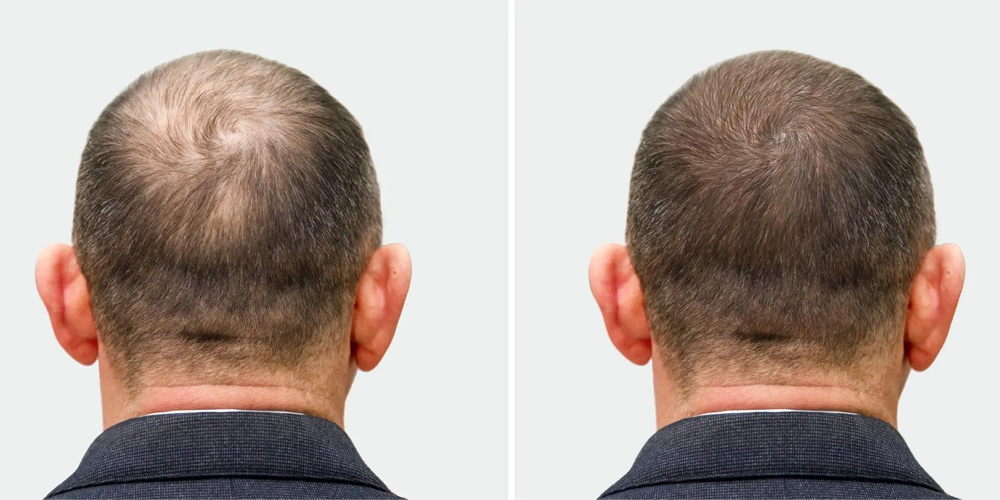
Following the procedure, it is crucial to follow the surgeon's post-operative instructions carefully. This includes keeping the surgical area clean, using specific shampoos and solutions, and managing any potential swelling or discomfort. Proper post-operative care helps optimize the healing process and reduce the risk of complications. Most patients can resume their normal routine within a few days, but activities that might involve strenuous exercise or direct impact to the surgical area should be avoided for the first few weeks. A well-informed patient who understands the details and adheres to instructions will have a noticeably higher rate of success. Following the instructions outlined by the surgeon is vital - the patient has to actively participate in creating the ideal environment for proper healing. The success of a male hair transplant is not solely dependent on the surgeon, but a collaborative effort.
3. Potential Complications and Risks of Male Hair Transplants
Though generally considered safe, male hair transplants like any surgical procedure, carry potential risks and potential complications, albeit in low incidences. The good news is that the vast majority of patients experience exceptional outcomes and minimal to zero discomfort or negative effects. Recognizing potential complications helps individuals make informed decisions and minimize the risks. It also fosters an understanding of what to expect during the recovery period. While those at the forefront of hair transplantation are committed to optimizing patients' safety and well-being by developing cutting-edge techniques and procedures, knowledge of potential unwanted events remain important.
3.1. Infection and Bleeding
Infection and bleeding are possible complications after any surgical procedure. In the context of male hair transplants, the risk is usually minimal, but hygiene and careful surgical practice are essential. It is recommended that patients follow the post-operative instructions provided by their surgeon vigilantly to ensure appropriate wound care and keep the risk of infection as low as possible. If infection occurs, it typically manifests as redness, swelling, or oozing at the surgical site. Medical intervention is necessary if this occurs. While bleeding complications associated with hair transplants are rare, they tend to be minimal and manageable. In some rare cases, excess bleeding may require a surgical intervention, but this is far from common.
3.2. Scarring and Hair Follicle Damage
Scarring primarily occurs in the donor area where the hair follicles are extracted. With FUE, the scars are typically small and barely noticeable. FUT, a legacy method, can result in more prominent scarring. Scarring can be minimized with expert surgical practice and meticulous wound care. On rare occasions, excessive scarring might develop. Damage to the hair follicle itself during the extraction and/or transplantation process is also a risk. If this should happen, it will usually be quite minor, but it could prevent the follicle from growing hair. An experienced surgeon will have taken the necessary steps to reduce the possibility of follicle damage during extraction and transplantation.
3.3. Unsatisfactory Results or Poor Growth
Occasionally, patients might not experience the desired outcome - sometimes due to factors beyond the surgeon's control. Poor hair growth might also be a complication. The patient's hair growth characteristics can significantly influence the outcome. While the surgeon will have taken the necessary steps during the procedure to improve the likelihood of optimal growth, individual factors can influence the outcome. Sometimes, the patient may not be an ideal candidate for the procedure. In addition, patients should know that some degree of re-growth in the recipient site will not be visible for several months. While the results typically are long-lasting, it is possible for a limited degree of hair loss to occur after the procedure-though typically to a minimal extent.
Conclusion
Male hair transplants offer a viable and effective solution for men experiencing hair loss. When performed by an experienced and skilled surgeon, these procedures can achieve remarkable long-lasting results that significantly impact self-esteem and overall well-being. It is imperative to approach this procedure with a realistic understanding of its benefits and limitations. The lifespan of transplanted hair is quite long, but the success varies according to individual circumstances. By prioritizing a skilled surgeon, maintaining a healthy lifestyle, and adhering to post-operative instructions, individuals can increase the chances of experiencing optimal and long-lasting outcomes from their hair transplant. The decision to pursue a hair transplant should be a careful and informed one. It should be undertaken after one has weighed both the potential benefits and the potential risks. In the end, one ultimately decides if the procedure is right for them.
LATEST POSTS